
The Canadian Museum for Human Rights after 10 years
After 10 years of operations, the CMHR continues to be important.
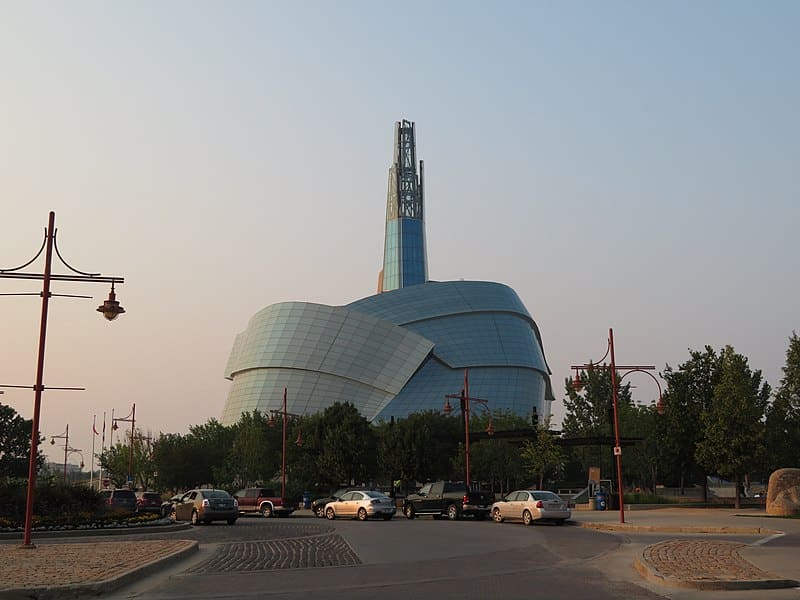
Ten years ago, the Canadian Museum for Human Rights (CMHR) opened its doors in Winnipeg. The CHMHR stands alone as the only museum in the world dedicated entirely to the topic of human rights on a global scale. It is also the first national museum in Canada to be built outside Ottawa. It serves as both a reminder of the darkest moments in history and a symbol of hope for a future built on justice, dignity, and freedom.
The vision for the CMHR began in 2000 with Israel Asper, who imagined a world-class centre dedicated to human rights education. A few years later, in April 2003, Asper and his supporters formally announced plans for the Museum, selecting Winnipeg, the centre of Canada, as its home. Built at The Forks, near the confluence of the Red River and the Assiniboine River, is where Indigenous peoples gathered for trade for thousands of years.
Six months after the Museum was announced, Asper passed away, but his family and the Friends of the Canadian Museum for Human Rights continued his mission. The result is a landmark of curving lines, bold geometry, and symbolism. Its four stone “roots” represent humanity’s connection to the earth, while a craggy limestone mountain rises beneath a Glass Cloud, composed of 1,335 custom-cut pieces of glass, no two alike. At its peak, an illuminated Tower of Hope stands as a beacon.
On July 3, 2010, Queen Elizabeth unveiled the building’s cornerstone, which bears the royal cypher and has embedded in it a piece of stone from the ruins of St. Mary’s Priory at Runnymede, England, the historic site where King John is believed to have approved the Magna Carta in 1215. The Magna Carta, widely regarded as one of the foundational documents of human rights and the rule of law, promised the protection of church rights, protection for the barons from illegal imprisonment, access to swift and impartial justice, and limitations on feudal payments to the Crown.
Local, independent, in-depth.
Our Prairie stories.
Unearthing history at The Forks
Before construction began, the Museum site underwent the largest archaeological excavation ever conducted in Manitoba. Between 2008 and 2012, more than 400,000 artifacts were found and identified, offering a glimpse into the thousands of years of human presence at The Forks. These discoveries provided new insights into the daily lives of First Nation peoples, early European traders, and Métis communities who historically gathered at this meeting place.
There was no evidence that the site had ever been a burial ground, but given the land’s deep spiritual importance, local Indigenous Elders were consulted about the oral history of the site and how to conduct excavation in a respectful manner. On their advice, a medicine bag was buried with each of the 500 pilings constructed to support the Museum’s structure. These medicine bags, created by Elders at Thunderbird House in Winnipeg, contained sacred items and were offered to Mother Earth as an acknowledgment of the land’s significance. This act of spiritual reciprocity reinforced the Museum’s commitment to honoring Indigenous traditions and ensuring that the site remained a place of respect and remembrance.
A museum with a mission
The CMHR’s mandate is clear: to explore human rights, with a special but not exclusive focus on Canada, enhancing public understanding, promoting respect for others, and encouraging reflection and dialogue. As with all of Canada’s national museums, it plays a critical role in:
- Preserving and promoting our heritage at home and abroad
- Contributing to a shared Canadian identity
- Inspiring research, learning, and discussion
- Ensuring accessibility in both official languages
Now, after 10 years of operations, the CMHR continues to be important. With the United States threatening to annex Canada, reflecting on our country’s own human rights history examines the very principles that define us. The Museum reminds us that protecting human rights require vigilance, education, and action.
In this weekend feature, Winnipeg writer Steve Lyons spoke with the CMHR CEO Isha Khan. A human rights lawyer and advocate, she has worked to ensure the museum is not only a place of learning but also one of action and inclusion.
In this Q&A, she reflects on the museum’s role, the challenges of leading a human rights institution and why these conversations matter now more than ever.
Our Prairie stories matter too.
The Flatlander takes a closer look at the stories that unite us, and make us unique, in Saskatchewan and Manitoba.
Will you help us tell our stories?
Author

Related Articles
Saskatchewan screamer? Manitoba mauler? Prairie storm names explained
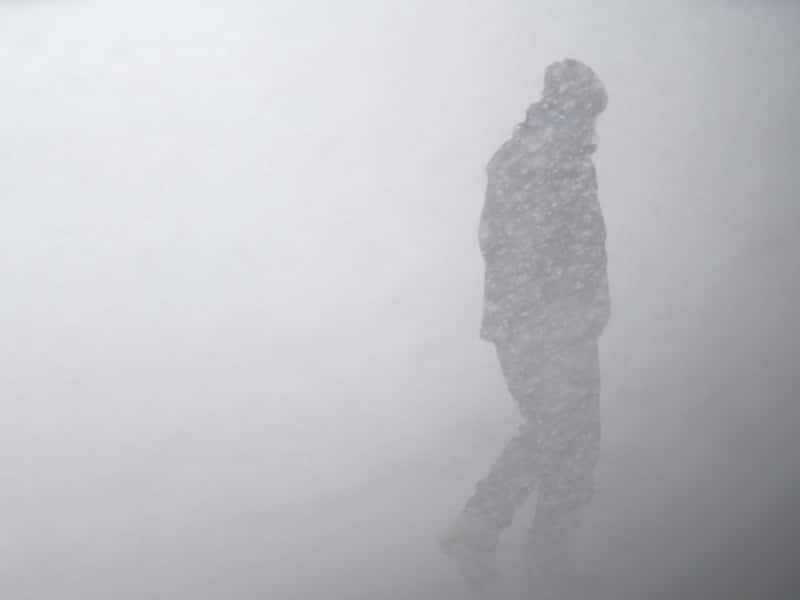
After last week’s defence of sunny Prairie winters, a fast-moving Alberta clipper arrives to remind Saskatchewan and Manitoba who’s really in charge—bringing sudden cold, sharp winds, and one of winter’s strangest nicknames. Depending on where it crosses the border, the same storm takes on far more dramatic names.
B.C. gets more rain. The Prairies have more sunshine.
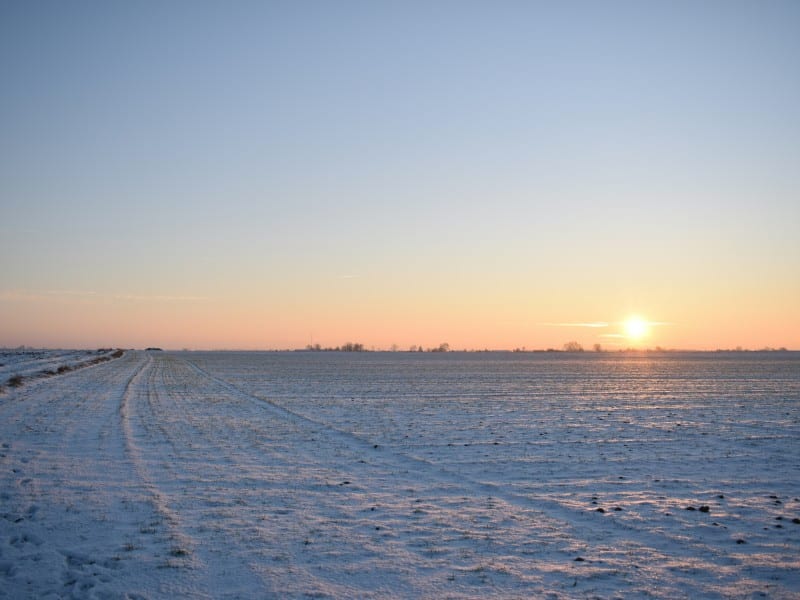
Vancouver gets about 1,938 hours of sunshine a year. Winnipeg gets roughly 2,353. Regina clocks in at 2,338 hours, Saskatoon at 2,268. One of the sunniest cities in Canada is Estevan with 2,404 hours.
If you were mayor of Duck Lake, Sask…
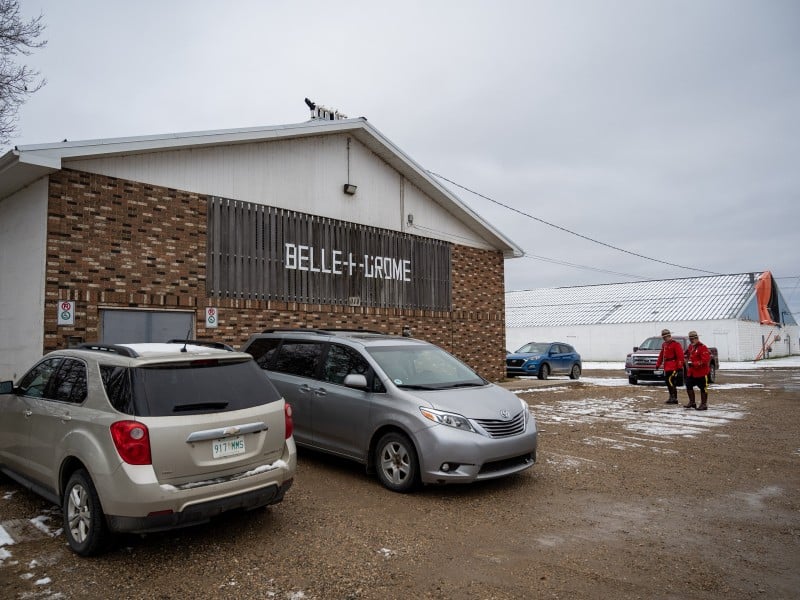
Whatever happens next in Duck Lake, it’s clear that Prairie residents care deeply about their history, identity, and sense of place.