
Why snow is important to the local economy
Scientists have flagged the Canadian Prairies as possibly becoming a “climate change hotspot.”
Welcome to the first issue of The Flatlander. Thanks for being one of my early readers. You’re appreciated.
It is my hope The Flatlander will eventually start doing original journalism soon, but for now there’s this.
Let’s talk about the weather
Since winter arrived on the Prairies last week and the UN Climate Change Conference (COP26) recently wrapped, I thought this issue will focus on why snow may be good for the economy; how that’s important to our pocketbooks; and keeps pasta on the shelves in Britain.
Local, independent, in-depth.
Our Prairie stories.
But first let’s remember our hot, hot summer with very little rain.
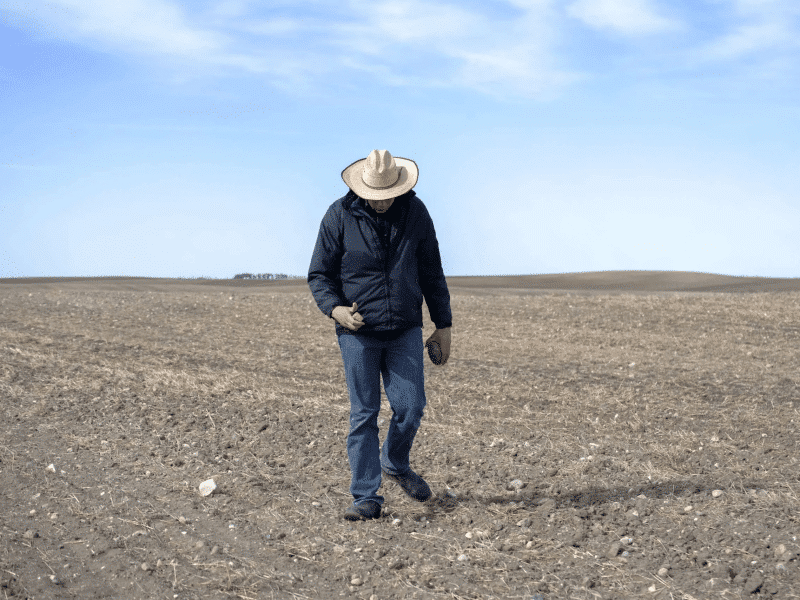
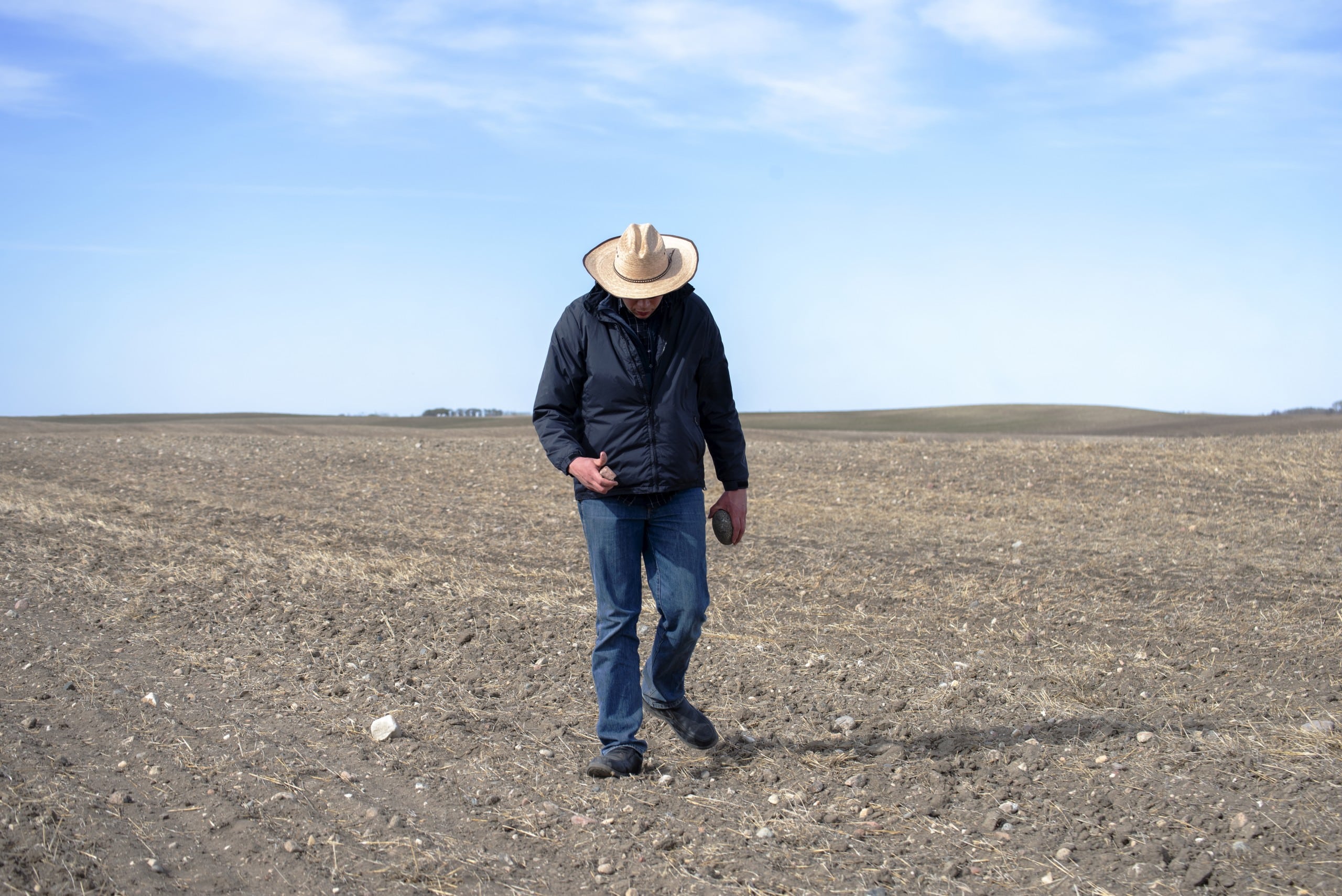
All of our farmland experienced drought. All of it.
Sixty-four per cent of Saskatchewan and 43 per cent of Manitoba faced moderate to exceptional drought conditions this summer, according to the NASA Earth Observatory. Basically, all of the agricultural land in the region.
Droughts are caused when there is no moisture in the soil, and there’s not enough snow and rain. Extremely high temperatures, like the ones recently experienced this summer, don’t help. We haven’t had a drought this bad since 1961.
As a result, this year’s grain harvest was not good. If Statistics Canada’s most recent crop production estimates come true, Canadian canola production will hit its lowest level in 13 years. Wheat harvests in Saskatchewan and Manitoba were also poor.
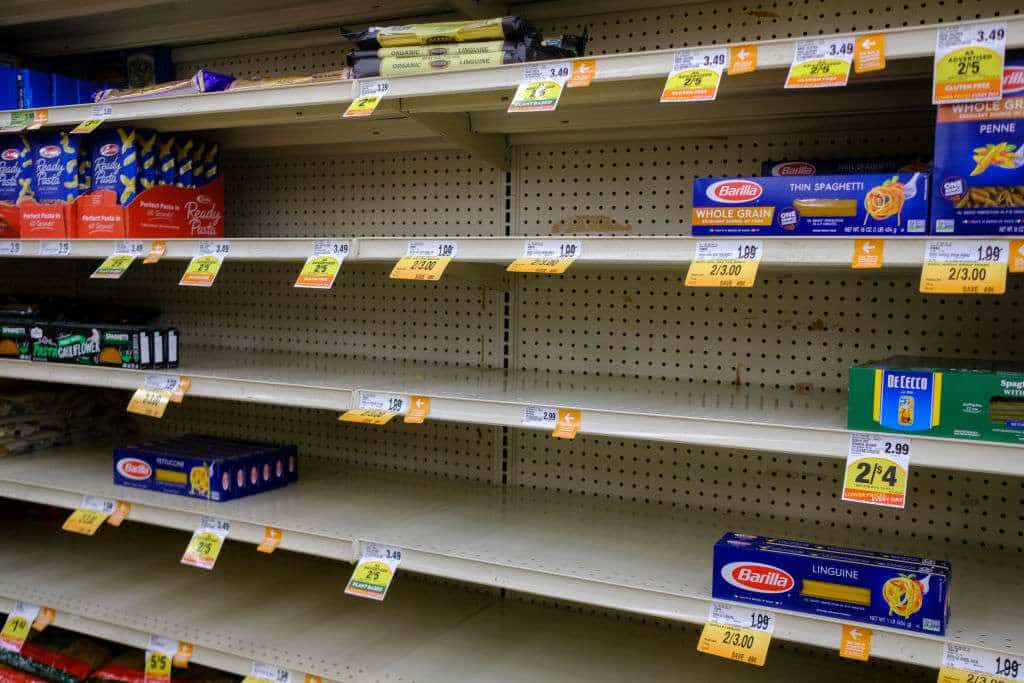
Blame the 2021 pasta shortage on the Canadian Prairies (in part, anyways)
Between drought conditions in Canada and heavy rains in Europe, there wasn’t much durum wheat, an important pasta ingredient, to be found anywhere. This meant pasta shelves in grocery stores in the United Kingdom were empty and consumers in France are spending more on spaghetti. Food costs are up here in Canada too because of low wheat yields, an increase in fuel prices, supply chain problems and other issues. A store in Alberta that imports pasta from Italy pays 20 per cent more for its inventory. Anecdotally, I’m not much of a pasta eater, but the price of the English muffins I regulary buy have gone up by more than 55 per cent at my local Walmart.
Purchasing meat is also more expensive. Cattle farmers had a tough go this summer too, as dry conditions meant feed was hard to come by. Some people made the choice to cull their herds, although rain at the end of August, in some parts of the prairies, helped because it meant cows could forage grass.
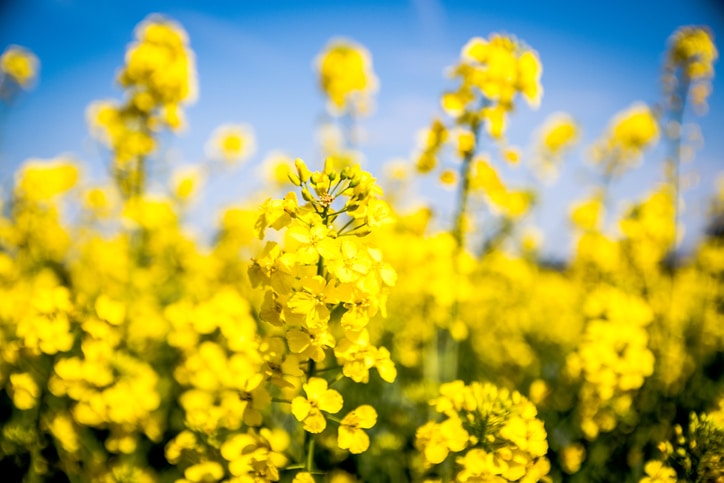
Related: The Prairies are responsible for France’s mustard shortage
France suffered a Dijon mustard shortage because of the 2021 drought in Saskatchewan.
The province produces 80 per cent of Canada’s mustard.
French manufacturers get 80 per cent of the brown mustard seeds they need to make Dijon mustard from Canada, but the 2021 drought halved our harvest.
Snow can help prevent drought
I hate shoveling my driveway as much as the next person, but since the soil is dry, it shouldn’t freeze and the moisture provided from the snow should be absorbed into the ground.
The Canadian Prairies may become a climate change hotspot
Environment and Climate Change Canada has reported the country is warming, on average, at about double the global rate, and scientists have flagged the Canadian Prairies as possibly becoming a “climate change hotspot.”
Extreme weather events of amplified severity will likely be the most challenging consequence of climate change in the Prairie Provinces. The impacts of flooding, drought and wildfire in recent years are unprecedented, and climate models suggest an increased risk of these events in the future.
The above is from a report published last year by Natural Resources Canada called Canada in a Changing Climate: Regional Perspectives Report.
The Prairie chapter says Western Canada has had “the strongest warming to date across southern Canada, especially in the winter.”
During the summer of 2021, 34 Saskatchewan communities and 19 in Manitoba shattered temperature records on July 2. Saskatoon recorded the hottest temperature that day at 40 C.
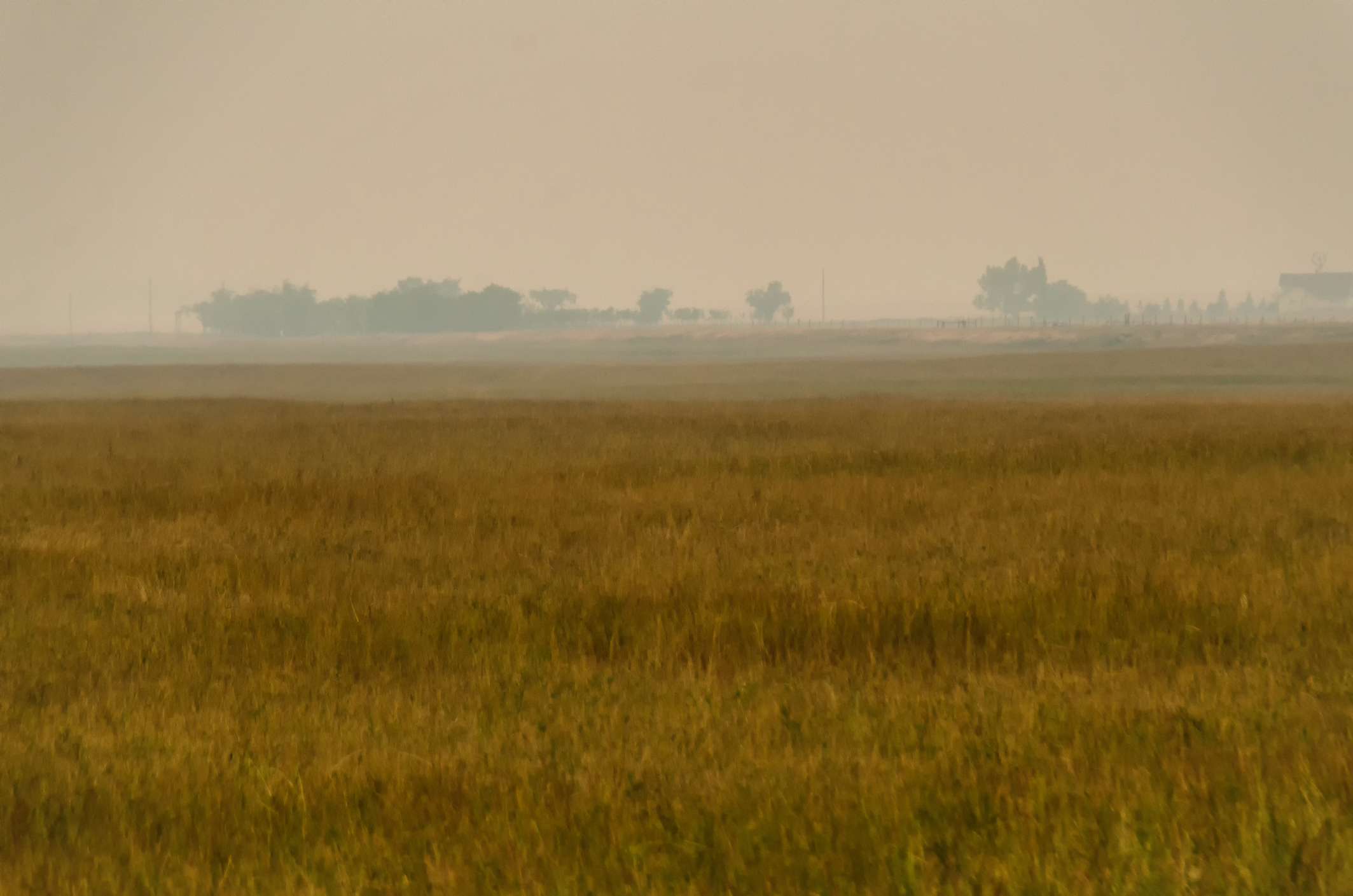
What does climate change look like on the Canadian Prairies?
Going back to the report by Natural Resource Canada, climate change will result in broad-scale ecosystem shifts across the Prairie provinces. Our boreal forests will recede while Parkland and grasslands expand north.
Precipitation is expected to increase in the winter and spring, causing floods, although groundwater may decrease, according to computer modelling by University of Calgary Researcher Masaki Hayashi.
“Almost none of the future scenarios include sufficient increases in precipitation to compensate for the drying effect of warmer temperatures,” the report says.
The good news is winters may be milder, but droughts are possible during the summer and autumn months.
“The worst-case future scenario for the Prairie provinces is the reoccurrence of consecutive years of severe droughts, such as those that occurred in the 1930s,” according to the report.
All of this means farmers are on the frontlines of climate change, says the National Union of Farmers, which sent a delegation to COP26 and were disappointed agriculture wasn’t a more prominent part of the conference agenda.
Our Prairie stories matter too.
The Flatlander takes a closer look at the stories that unite us, and make us unique, in Saskatchewan and Manitoba.
Will you help us tell our stories?
Author

Related Articles
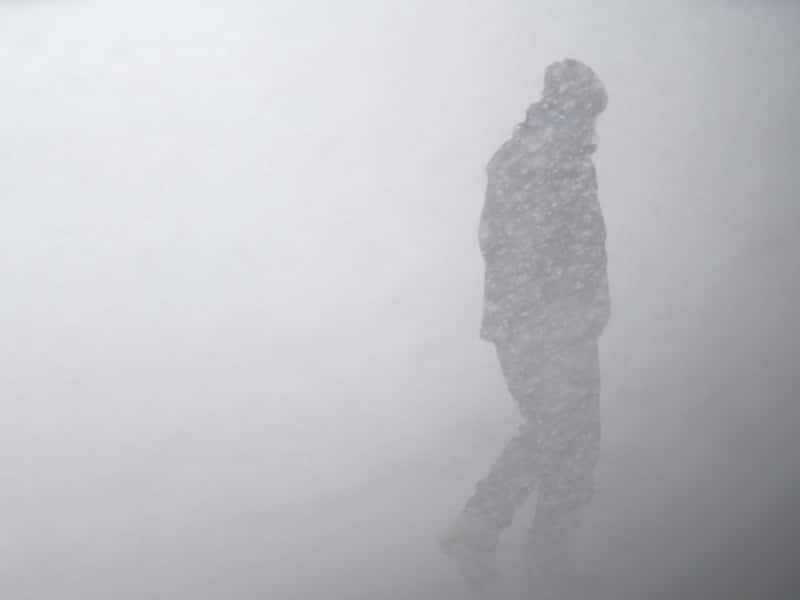
Saskatchewan screamer? Manitoba mauler? Prairie storm names explained
After last week’s defence of sunny Prairie winters, a fast-moving Alberta clipper arrives to remind Saskatchewan and Manitoba who’s really in charge—bringing sudden cold, sharp winds, and one of winter’s strangest nicknames. Depending on where it crosses the border, the same storm takes on far more dramatic names.
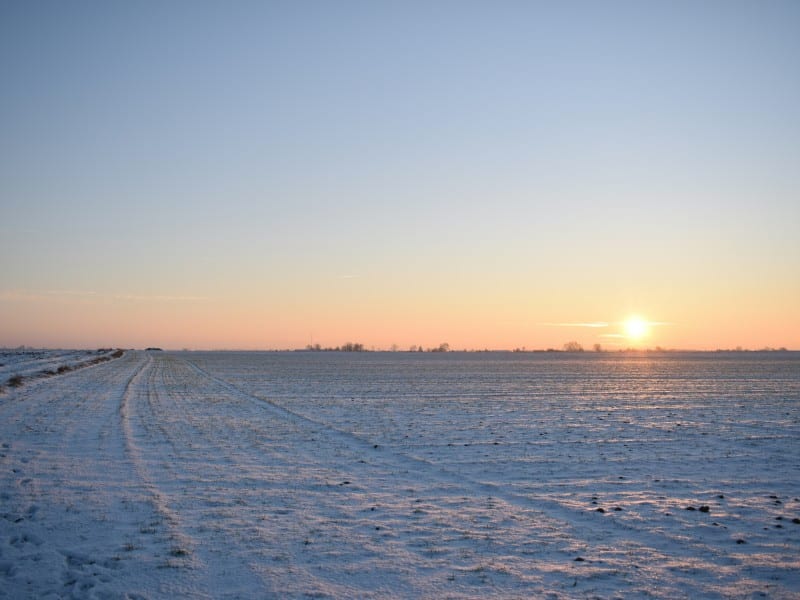
B.C. gets more rain. The Prairies have more sunshine.
Vancouver gets about 1,938 hours of sunshine a year. Winnipeg gets roughly 2,353. Regina clocks in at 2,338 hours, Saskatoon at 2,268. One of the sunniest cities in Canada is Estevan with 2,404 hours.
If you were mayor of Duck Lake, Sask…
Whatever happens next in Duck Lake, it’s clear that Prairie residents care deeply about their history, identity, and sense of place.