
Homelessness unresolved amid northern Sask housing project
Amid major housing project, government support in areas like health gain received limited support in northern Sask.
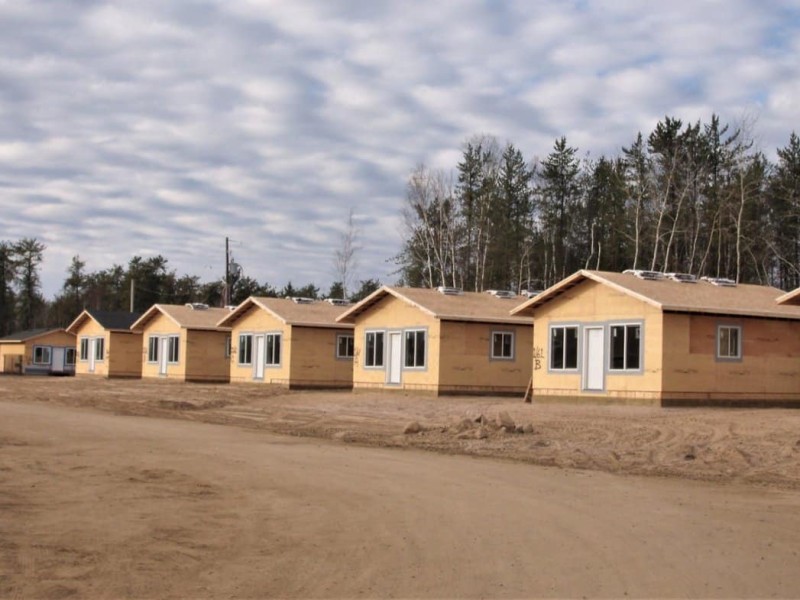
Amid major housing project, government support in areas like health gain received limited support in northern Sask.
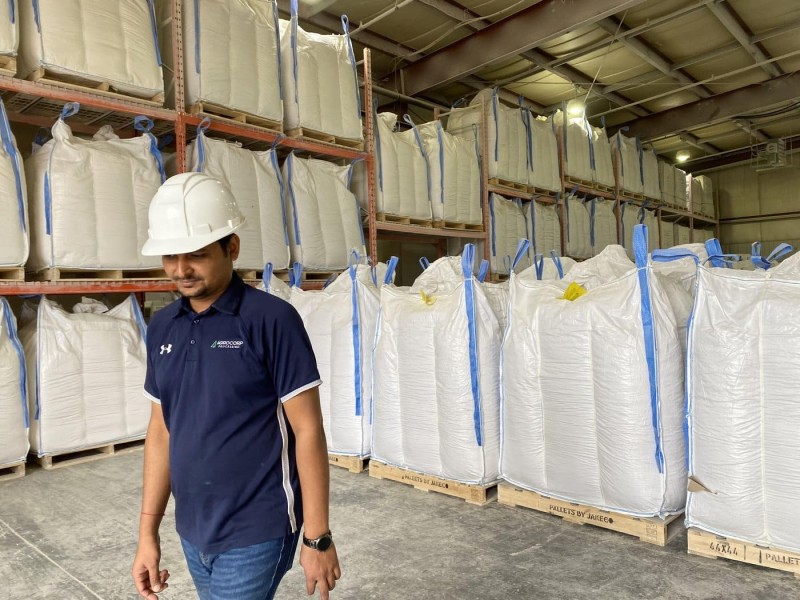
On a quiet mid-week afternoon in small-town Saskatchewan, a modest team of five went through the ins and outs of an agri-product business collectively worth upwards of $200 million annually. Ground operations of the headline-making business of Canadian foreign trade — often seen globally through summits and conferences like the G20 international economic forum — unfold in a less dramatic day-to-day enterprise at the Agrocorp facility in Cut Knife, Sask., about 240 kilometres northwest of Saskatoon.

This year, Saskatoon has joined cities worldwide in hosting an event called Welcoming Week, which seeks to help immigrants integrate into their new cities.
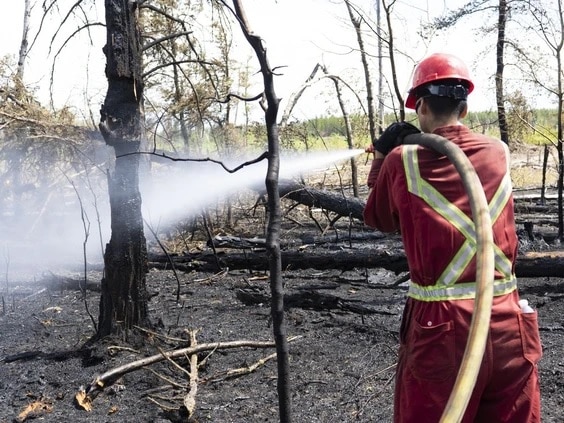
As the number of wildfires increases, the need for efficient air purification systems — especially in the Saskatchewan communities most affected — has become abundantly clear. Earlier this year, when fire crews and elected officials were deciding whether or not to evacuate towns along the Lake Athabasca region in northwest Saskatchewan, indoor air quality was a glaring consideration was indoor air quality.
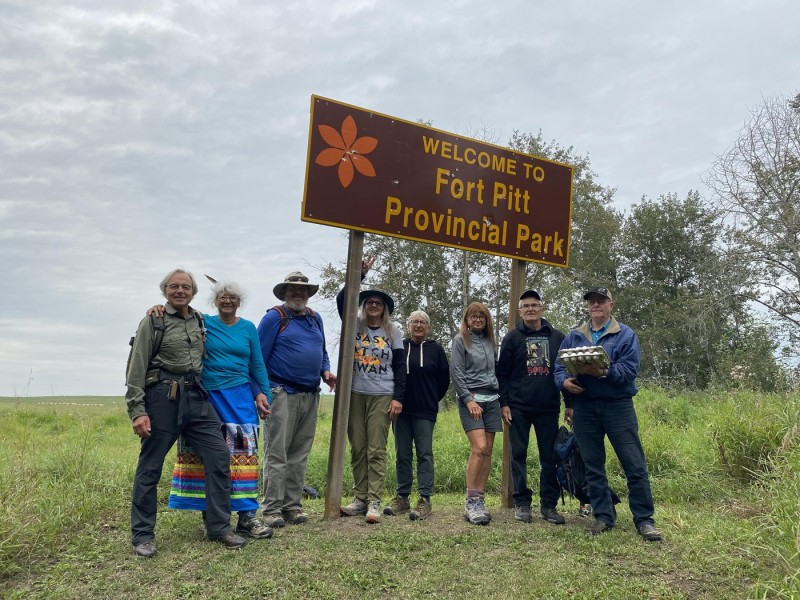
The walks formally started in 2015 and run every other year across a new region in Saskatchewan. The walks formally started in 2015 and run every other year across a new region in Saskatchewan. This year’s walk started earlier this month in Fort Battleford and ended at Fort Pitt Provincial Park, northwest of North Battleford.
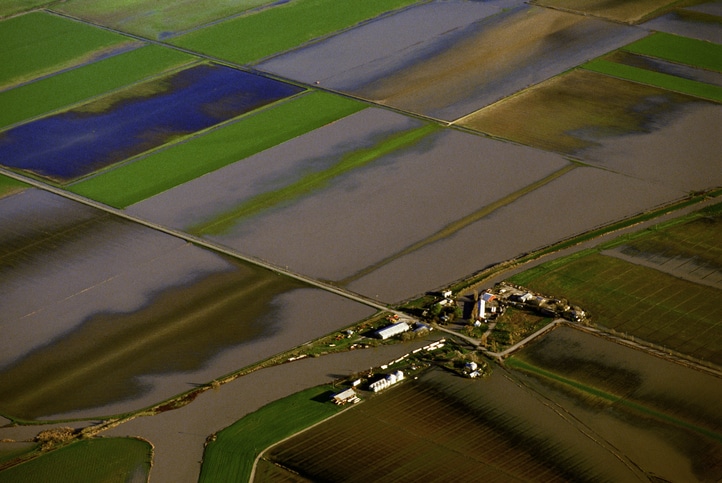
Saskatchewan announced a small fund for municipalities across the province to start implementing long-term planning for flood prevention.