From dialysis despair to new life: the Manitoba doctor behind 1,000+ transplants
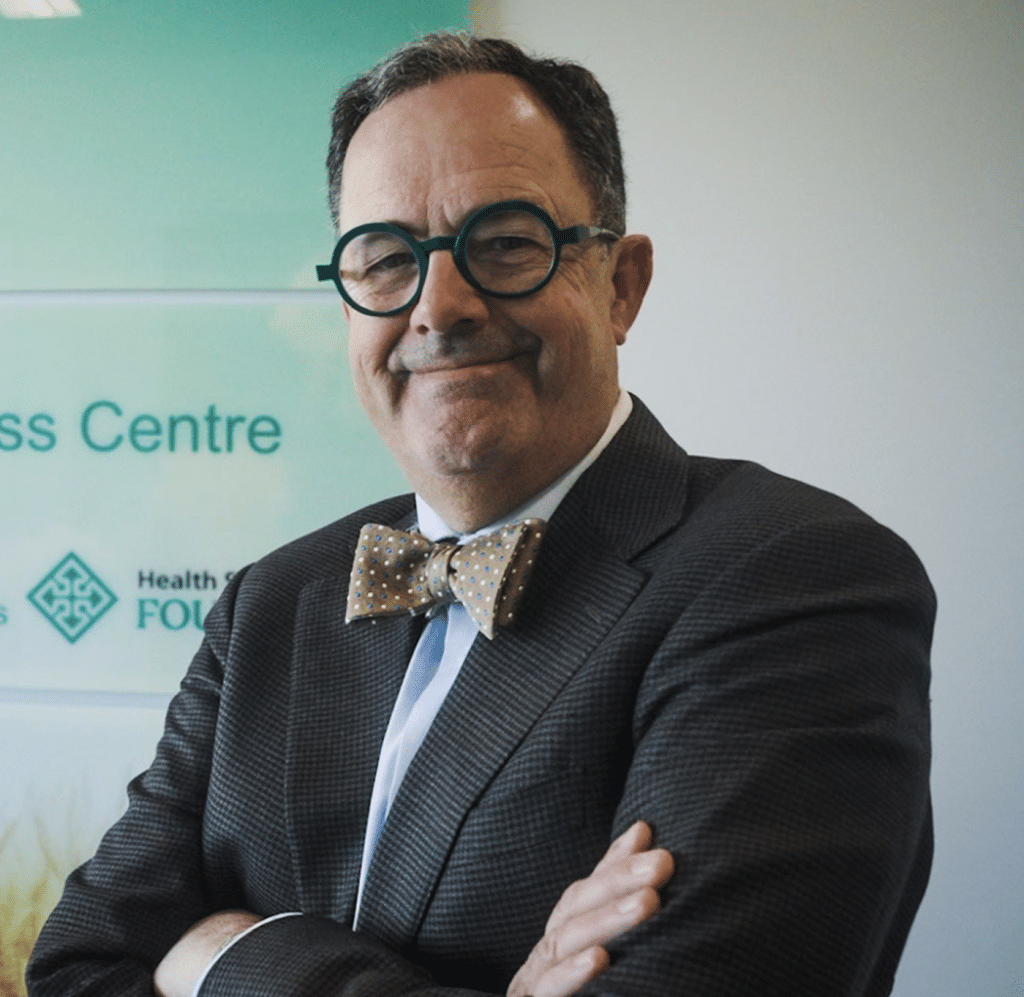
Dr. Peter Nickerson, a longtime transplant immunologist and now Dean and Vice-Provost (Health Sciences) at the University of Manitoba’s Max Rady College of Medicine, is credited with helping design the modern health-systems approach to transplant medicine that Canada relies on today.
A Manitoba physician whose work has reshaped kidney transplant care across Canada has been awarded the 2025 Canadian Blood Services Lifetime Achievement Award, recognizing a career that has improved survival, expanded access and offered new hope to thousands of patients.
Dr. Peter Nickerson, a longtime transplant immunologist and now Dean and Vice-Provost (Health Sciences) at the University of Manitoba’s Max Rady College of Medicine, is credited with helping design the modern health-systems approach to transplant medicine that Canada relies on today.
For more than two decades, Dr. Nickerson has led innovative work in transplant rejection, immunogenetics and immune monitoring, research that has improved outcomes for kidney transplant recipients in Canada and internationally. He also led the national standardization of HLA laboratory practices, the testing used to match donors and recipients, and helped develop a coast-to-coast organ-sharing network that has enabled more than 1,000 difficult-to-match Canadians to receive life-saving kidneys.
A Manitoban was the very first patient to benefit from one of those programs.
Local, independent, in-depth.
Our Prairie stories.
Building a national system
Dr. Nickerson played a pivotal role in creating and implementing the national transplant programs now operated by Canadian Blood Services under a mandate from provincial, territorial and federal health ministers. Those include the Kidney Paired Donation Program and the Highly Sensitized Patient Program, which pair donors and recipients across provincial borders, making transplants possible for patients who previously had little chance of finding a match.
“By creating this national network, we created hope again,” Dr. Nickerson told the Canadian Blood Services, noting that some patients waited more than 15 years before a viable donor could be found.
Transforming care in Manitoba
From 2014 to 2023, Dr. Nickerson served as medical director of Transplant Manitoba, playing a key role in developing the Transplant Wellness Centre at HSC Winnipeg, home to the province’s kidney transplant program.
His leadership has also helped drive advances in lab technology and standards. When he began working in the field in the late 1990s, he recalled that testing methods had changed little since 1969. Introducing newer, more sensitive systems dramatically reduced early transplant rejection and became the foundation of Canada’s national approach.
“Where we used to lose up to 10 per cent of kidneys in the first year, we were now losing one per cent,” Dr. Nickerson said.
A legacy measured in lives changed
Colleagues say Dr. Nickerson’s influence extends beyond scientific research to national systems, clinical practice and mentorship. He has served more than 12 years as medical advisor to Canadian Blood Services, continues to provide strategic guidance, and has earned multiple national and international honours, including previous awards from the Canadian Society of Transplantation and the Paul I. Terasaki Award Lecture.
“In a lot of medicine, you temporize,” Dr. Nickerson said. “With organ donation, you can save the lives of many.”
Asked what makes him most proud, he pointed to the human impact: patients able to live longer, travel again, reconnect with family, and look beyond a future once defined by dialysis.
“Not only are more transplants being done, the outcomes are better,” he said. “They’re lasting longer.”
This story was originally published in The Winnipeg Sun. It is republished under a Creative Commons license as part of the Local Journalism Initiative.
Our Prairie stories matter too.
The Flatlander takes a closer look at the stories that unite us, and make us unique, in Saskatchewan and Manitoba.
Will you help us tell our stories?