Heads of Manitoba’s two largest health authorities sacked
Audits uncover years of deficits and problems with workplace culture in health authority organizations.
The leaders of Manitoba’s two largest health authorities have been removed after financial audits determined repeated deficits in the last few years hindered their ability “to make the best decisions for patient care.”
On Wednesday, Manitoba Health published 333 pages of reports that analyzed service delivery, budgeting and fiscal management practices of all provincial health authorities, except for Southern Health.
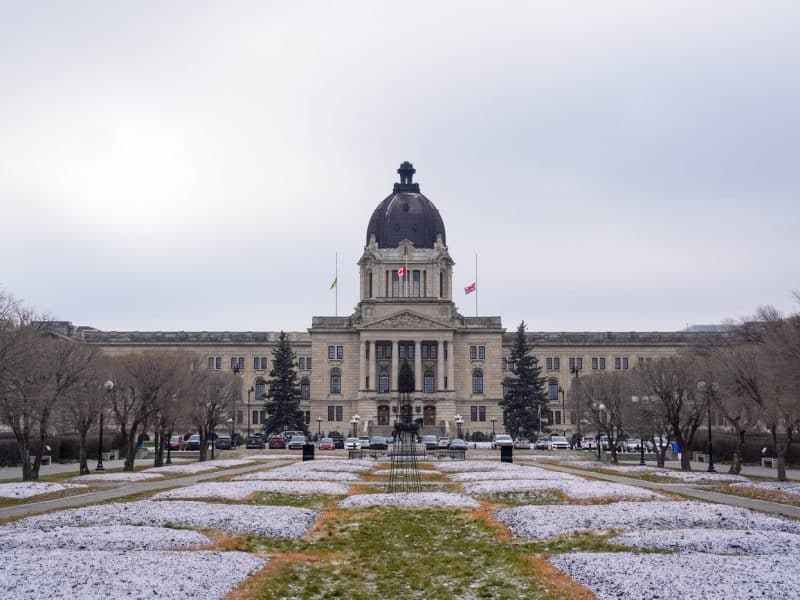
“If the disease in our health-care system is a culture of dysfunction, then the symptom of that disease is fiscal mismanagement,” Health Minister Uzoma Asagwara said during a news conference at the legislature.
Southern Health, which Asagwara described as having “a great culture” and history of staying out of the red, is the sole entity that was excluded from the reviews of spending between 2019-20 and 2023-24.
The region’s longtime chief executive officer, Jane Curtis, has been tapped to lead the Winnipeg Regional Health Authority on an interim basis. Asagwara described her as an emotionally intelligent manager. She replaces Mike Nader, who was given the job in April 2021.
Local, independent, in-depth.
Our Prairie stories.
Dana Human, lead of community and continuing care at Southern Health, will serve as acting commander in chief while its board of directors searches for a new executive.
Dr. Chris Christodoulou was named the new CEO of Shared Health. He replaced Lanette Siragusa, who became CEO in May 2023, a controversial move because she remained vice-dean of education at the University of Manitoba Rady Faculty of Health Sciences, albeit in a reduced role.
The flurry of change was announced minutes before the provincial audits were made public.
“You can’t help but wonder if these new faces are really going to have the power and the resources to make a real change,” said Darlene Jackson, president of the Manitoba Nurses Union.
Jackson said nurses have reported daily concerns about the government’s yet-to-be-fulfilled promise to create a cultural shift in health care.
For the union leader, that begins at the top with CEOs who are both empowered to make whatever change necessary and equipped with enough resources to do so.
Last year, the province commissioned two firms to undertake comprehensive reviews of Shared Health and all but one of its regional health authorities that have grappled with rising wages and other inflationary pressures.
The government spent about $380,000 and $237,000 on its respective contracts with Deloitte and MNP.
Deloitte assessed Northern, Interlake-Eastern and Prairie Mountain health regions, as well as CancerCare Manitoba.
“While all parties are working to a similar goal, over time, the processes, approaches and culture appear to have shifted to a point where collaboration between organizations can, at times, appear to be at odds,” states an excerpt of Deloitte’s 140-page review.
The mega-audit identified issues in the classification of cost savings initiatives and communication about them.
Other chronic problems were transparency on budgeting, cash flow and related items and the recruitment and retention of accountants.
MNP conducted separate audits into the WRHA and Shared Health.
Its reports highlight board turnover challenges and deficits that impede each authority’s ability “to make the best decisions for patient care, plan effectively for future health care needs and support front line staff.”
Asagwara suggested the findings demonstrate the system has “lost its focus,” following years of consolidation and chaos under former Progressive Conservative governments.
Kathleen Cook, health critic for the Tories, responded.
“Any unpopular decisions in health care that the NDP make over the next few months will be blamed on these audits. They provide cover for the NDP to keep doing what we’ve seen them do since they first got elected, which is pointing fingers backwards.”
She noted the data show administrators have primarily overspent on salaries and dealt with the increasing cost of supplies and drugs.
In the Northern Health Region, which has been in the red for the last five years, the 2023 deficit totalled $8 million. That record sum represents a 15 per cent increase in personnel services, including salaries, benefits, remoteness allowances, shift premiums and overtime pay.
Salaries, medical supplies and third-party staff agency contracts trend upwards in a snapshot of hospitals in the Interlake area.
Prairie Mountain Health recorded a 132 per cent spike in transportation costs between 2021 and 2023, which Deloitte attributed to an increase in air ambulance from contracted services and private agency travel.
The rising cost of drugs — expenses surged 53 per cent between 2019 and 2023 — has taken an especially large toll on CancerCare’s bottom line.
“Which of those are they going to cut first?” Cook said, adding there are only so many cuts that can be made to administration-related items.
She questioned why the detailed documents were released without a plan to address recommendations made by the authors.
A zero-based budgeting approach was prescribed for all of the six entities. This model would require financial planners to start from zero and justify old, recurring and new expenses when drafting budgets.
The auditors requested authorities be more proactive in budgeting and drafting emergency plans in general while noting there is no clear guidance or parameters on executive management salaries.
“The lack of transparency, etc., is concerning,” said Jackson, who represents more than 13,000 nurses in Manitoba.
“What is also very concerning is the lack of acknowledgement from government that the cost of providing health care is growing every day and the resources to match that are not being put into place.”
The Manitoba Association of Health Care Professionals and Manitoba Government and General Employees’ Union echoed those comments on Wednesday.
Greater accountability, better planning and increased co-ordination are needed, but cultural change can only happen when the staffing crisis is addressed, MAHCP spokesman Jason Linklater said.
MGEU president Kyle Ross said the money spent on private air ambulances and agency health-care aides and nurses would be far better spent on “hands on care.”
Asagwara recently ordered Prairie Mountain Health to slash spending on private nurses by 15 per cent before March 2026 in a bid to bring employees back to the understaffed public system.
The minister has directed health leaders to redirect eight per cent of the dollars earmarked for corporate services to improve patient care before the end of the current fiscal year.
Our Prairie stories matter too.
The Flatlander takes a closer look at the stories that unite us, and make us unique, in Saskatchewan and Manitoba.
Will you help us tell our stories?
Author