How much power will the proposed Bell Regina data centre use?
A proposed data centre west of Regina is drawing attention not only for its size, but for the scale of electricity it would require, an amount comparable to that used by an entire city.
The project, planned for a 160-acre site in the Rural Municipality of Sherwood, is part of a major investment by Bell Canada to expand artificial intelligence infrastructure in Canada. Construction could begin as early as this spring, with the first phase expected to be operational in 2027.
At full capacity, the facility will require about 300 megawatts of electricity.
To understand what that means, it helps to look at how data centres have evolved.
In the early 2000s, a typical data centre used between five and 10 megawatts of electricity, roughly enough to power about 8,000 homes.
Local, independent, in-depth.
Our Prairie stories.
Today, the scale is far larger.
At 300 megawatts, the proposed Regina facility would use enough electricity to supply roughly 300,000 homes, about the size of a city like Winnipeg.
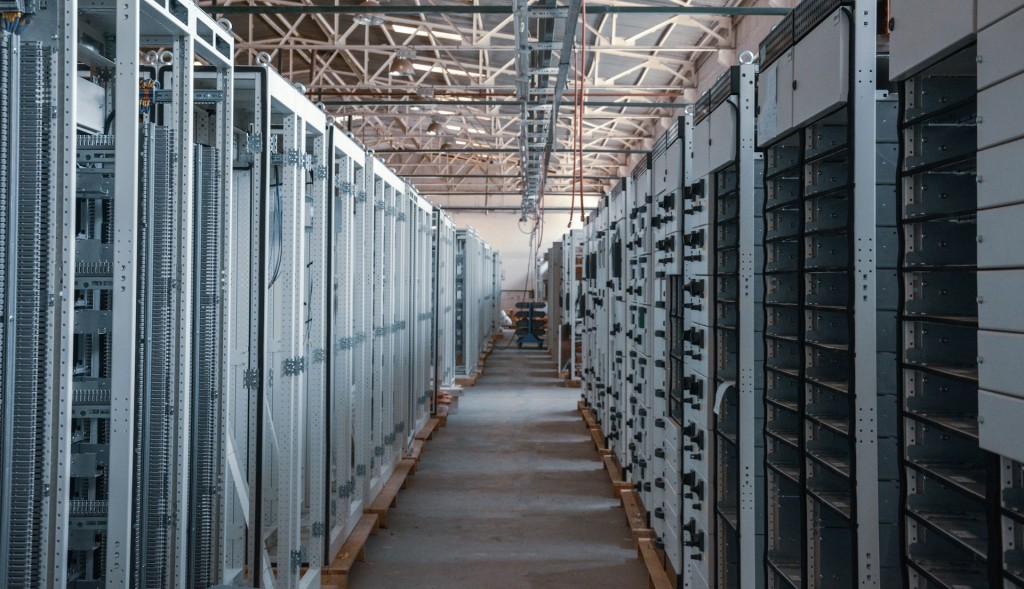
At the upper end of the industry, so-called “hyperscale” data centres can require 1,000 megawatts or more, approaching the energy demand of a city like Toronto.
The Regina project is part of Bell’s broader “AI Fabric” initiative, aimed at expanding Canada’s domestic computing capacity and supporting what officials describe as “AI sovereignty,” keeping data and computing infrastructure within Canadian borders.
The Regina facility is expected to generate up to $12 billion in economic value over time, including construction activity, long-term operations and related business development.
During construction, the project is expected to support about 800 jobs. Once operational, however, the workforce will be significantly smaller, with estimates suggesting around 80 permanent positions focused on maintaining the systems and infrastructure.
Supporters of the project point to those economic benefits, as well as opportunities for research partnerships and technological development.
But the scale of the energy demand has raised concerns among some residents.
“There is worry about how this will affect power supply and costs,” said Cheryl, a reader who wrote The Flatlander about the issue. She said she fears the added demand could strain the system and lead to higher electricity prices.
Saskatchewan Premier Scott Moe has said the province has sufficient capacity to support the development. He has also pointed to plans to expand electricity generation, including through nuclear power.
Still, opposition is beginning to emerge. Some residents have launched an online petition, organized a letter-writing campaign and are planning a protest at the Saskatchewan Legislature.
The debate reflects a broader question facing regions across North America: how to balance the economic promise of large-scale digital infrastructure with the demands it places on energy systems and local communities.
Our Prairie stories matter too.
The Flatlander takes a closer look at the stories that unite us, and make us unique, in Saskatchewan and Manitoba.
Will you help us tell our stories?
Author