Indigenous tourism important for reconciliation, cultural sustainability
Indigenous tourism offers a path to cultural sustainability, revitalization, and the sharing of Indigenous people’s knowledge, history, and language.
A good travel experience often incudes a good story, and telling stories is one of the goals of the people developing Indigenous Tourism in Manitoba and Saskatchewan.
“We help operators understand there’s a demand from visitors for the kind of experience they’re offering and that tourists want to hear from them, hear their story,” explains Indigenous Tourism Manitoba (ITM) CEO Holly Courchene. “Many of them do not really know that they’re actually in tourism, that there’s even a demand for Indigenous Tourism, and that they are providing an Indigenous experience.”
According to a 2023 action plan by the Indigenous Tourism Association of Canada (ITAC), the Indigenous tourism industry contributed a peak of $2 billion to Canada’s GDP in 2019. While the pandemic brought growth to an abrupt stop, demand for Indigenous tourism has again increased significantly over the last two years. A recent ITAC survey revealed that 88 per cent of Canadians are interested in participating in at least one Indigenous cultural and tourism activity.
To ensure the demand is capitalized on and met appropriately, both the ITM and Indigenous Destination Saskatchewan (IDSK) are implementing strategic plans to address the needs of tour operators in the provinces.
After a stint doing product development for ITM, Courchene was named CEO of the association in June 2022. She is enthusiastic about the province’s potential. Still, she knows there is lots of work to be done: primarily educating operators on the nuances of the tourism industry, teaching them customer service and encouraging youth in the various communities to get involved.
Local, independent, in-depth.
Our Prairie stories.
“We help them develop their experience to be tourism-based, and once they are at the place where they are meeting our standards and are market-ready, able to accept these travellers, we then hand them off to Travel Manitoba or ITAC to market them,” says Courchene.
A major goal is to develop a tour guide training program that targets youth ages 18 to 29.
“One of the barriers holding us back is we don’t have the young people getting involved with tourism, becoming guides or getting involved in the story of their community,” says Courchene. “We plan to go into the communities, find young people who want to be taught customer service and to learn the story of their community and be able to tell that story… and make a career of it.”
In 2021, over 18,000 people worked in the Indigenous tourism sector in Canada, and ITAC hopes to see that number rise to 60,000 by 2030.
“Indigenous tourism has been shown to be a significant source for employment and an important economic driver in Indigenous communities across Canada,” said Colin Ferguson, President and CEO of Travel Manitoba. “It is also an important reconciliation opportunity and allows Indigenous peoples to share their culture on their own terms in a way that is beneficial to them.”
Annie Charles, named executive director of IDSK in June 2023, says Indigenous tourism offers a path to cultural sustainability, revitalization, and the sharing of Indigenous people’s knowledge, history, and language. She notes that Manitoba and Saskatchewan have the largest and second-largest populations of Indigenous people in Canada, with many stories and experiences to share.
“The prairie provinces are very rich in Indigenous culture, which we are very proud of,” Charles said. “We have such a diverse landscape and diversity of people because of the different cultures.
“We look forward to the opportunities to share our culture and our heritage, to meet with people who want to learn from and hear from Indigenous people.”
There are approximately 150 Indigenous tour operators in Manitoba and another 100 in Saskatchewan. Some are still learning the ropes, but many are already welcoming tourists from across Canada and around the world.
Here are five in each province to check out:
MANITOBA
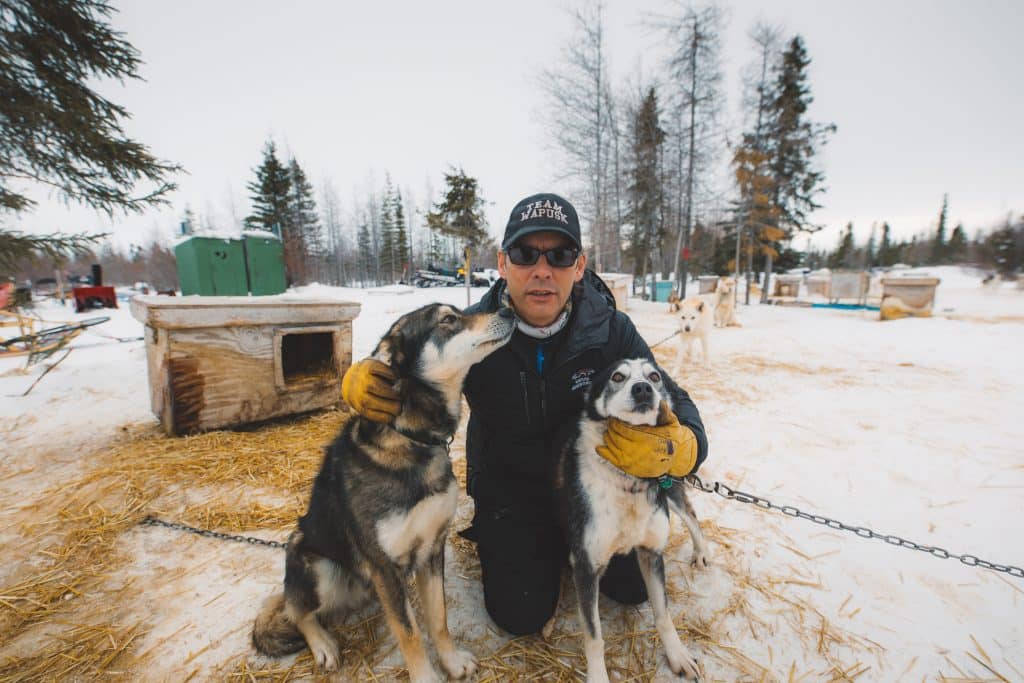
Wapusk Adventures: Dave Daley and his team offer dog sled rides through the boreal forest, which include an educational talk about dog sledding, Métis Culture, and life in Churchill. Wapusk also offers Aurora Borealis viewing and e-bike tours along the Hudson Bay coast road.
Bannock Point Petroforms: Located in Whitehall Provincial Park, this sacred site in the heart of Turtle Island is a series of rocks and boulders arranged by Indigenous peoples over millennia. Indigenous Knowledge Keeper and Heritage Interpreter Diane Maytwayashing can arrange tours.

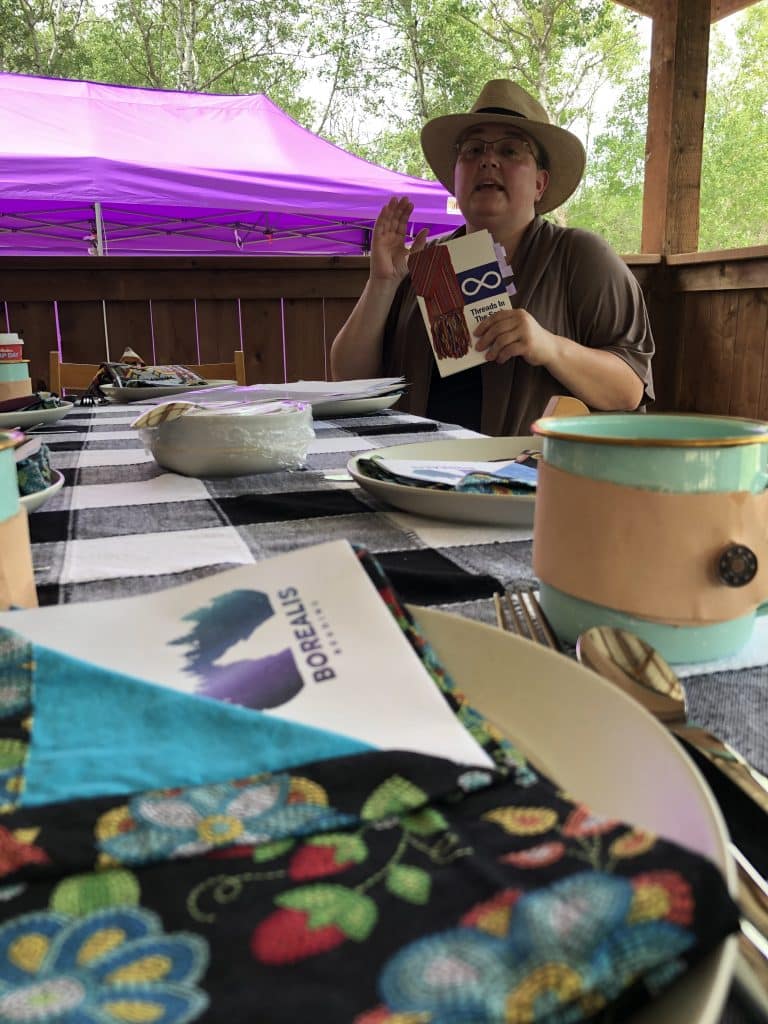
Borealis Beading: Owned and operated by Melanie Gamache, a Manitoba Francophone Métis beadwork artisan, this experiential tourism offering provides a unique and authentic learning opportunity for visitors to gain a greater awareness of Métis people’s connections with beadwork, food and nature.
Borealis Beading provides onsite and mobile interactive, hands-on, creative learning experiences where participants hear stories about the cultural and historical significance of beadwork to the Métis, also known as The Flower Beadwork People. Métis cultural learning experiences are delivered in a style reflective of the traditional beading circle format where friends and family would meet to share stories and talk about their day while passing on the traditional art of beadwork.
Turtle Village: Located in Riding Mountain National Park’s Wasagaming Campground, this unique accommodation allows visitors to disconnect from modern amenities and experience the simplicity of off-the-grid living. Units include solar panels and a battery bank for the power source to utilize interior lighting while maintaining the luxuries of charging your electronics (if you must). Guests also have the opportunity to participate in cultural activities, storytelling, indigenous crafts, and guided nature walks led by the Anishinaabe of Riding Mountain.

National Residential School Museum of Canada: Uniquely housed within the former Portage Indian Residential School, which was one of 17 residential schools in Manitoba and one of 164 residential schools across Canada, the museum is situated on the urban land of the Long Plain First Nation, just outside Portage La Prairie. The museum was created to be a place where people can learn, share, heal, and move forward with a greater understanding of the forces that shaped and forever changed multiple generations of First Nations people.

Dakota Dunes: This full-service resort located in traditional Whitecap Dakota Territory, about 20 minutes outside Saskatoon, offers visitors an opportunity to explore the rich culture and traditions of the Whitecap Dakota people. The resort is also next to the award-winning Dakota Dunes Golf Links, and it has recently launched a celestial journey guided by Dakota astronomer Jim Rock, where folks can immerse themselves in a stargazing experience with high-tech telescopes.
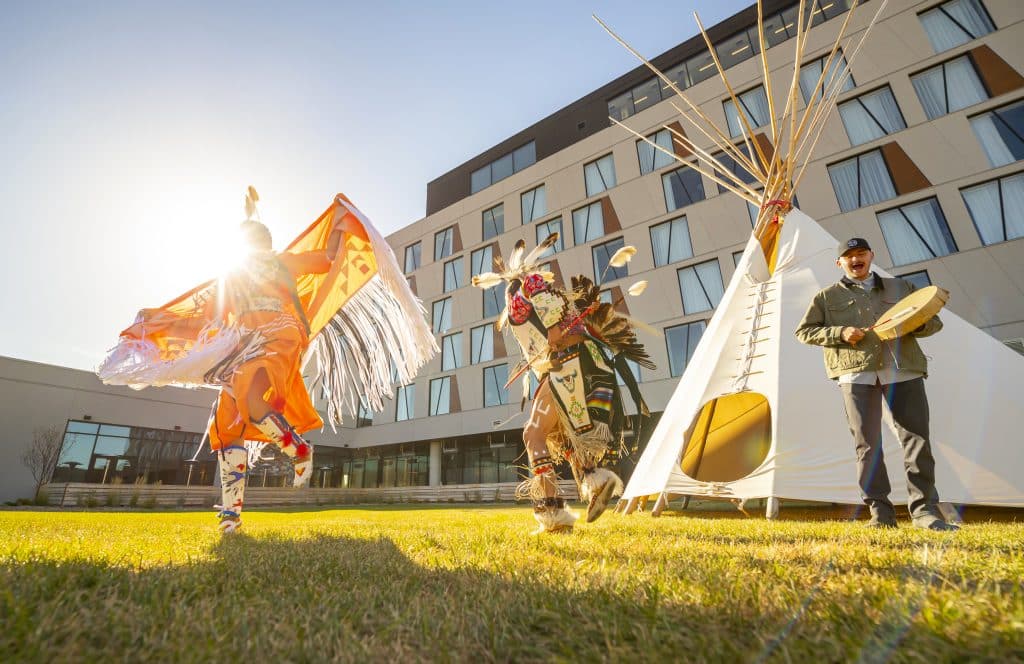
Wanuskewin Heritage Park: A proposed UNESCO World Heritage Site that interprets over 6,000 years of Northern Plains Indigenous culture, Wanuskewin is five minutes from downtown Saskatoon and features a newly renovated and expanded Interpretive Centre, hiking trails, and interpretive programming that includes guided hikes and traditional dance performances. It also has a terrific restaurant with an assortment of Indigenous eats.

Cree North Adventures offers a modern tipi camping experience on the Flying Dust First Nation near Meadow Lake. Visitors hear the stories of Indigenous elders and cook over a wood fire. Canoe rentals are available for guests who wish to paddle the scenic Meadow River.
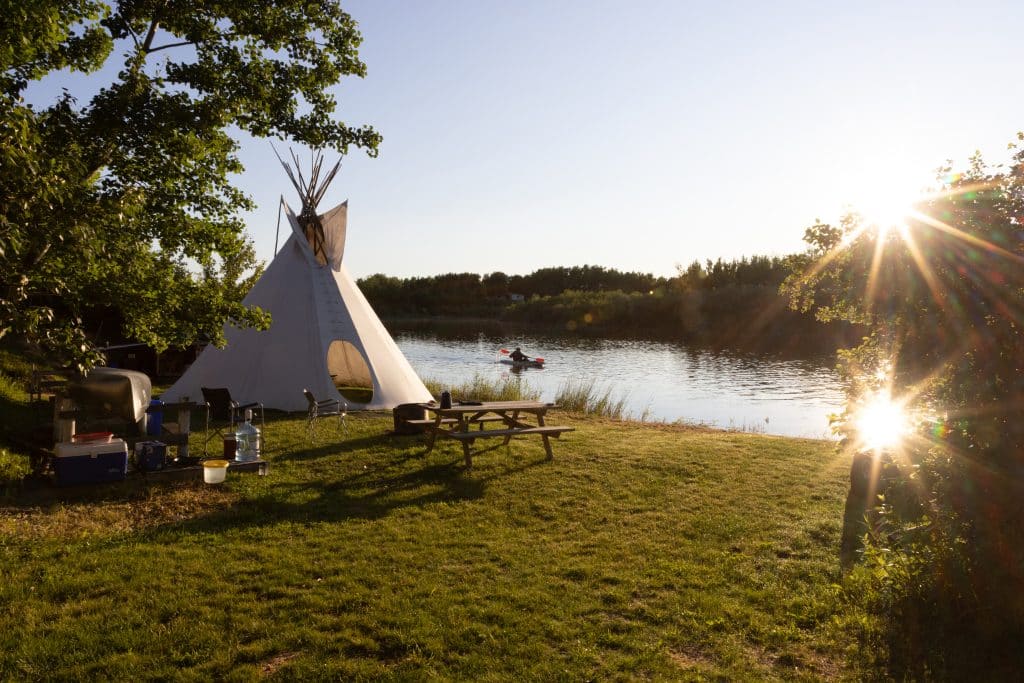
Aski Holistic Adventures: Based out of the Saskatchewan River Delta, 60 km from Cumberland House, AHA connects people with nature through guided wilderness adventures, including canoeing, snowshoeing, wilderness survival teachings, hiking, tipi camping, plant gathering and ecotherapy retreats. Accommodations are rustic wilderness cabins accessible by boat in summer and fat bike trails in winter.
Buffalo Pound Eco Lodge: This tipi-glamping experience in Buffalo Pound Provincial Park, outside Moose Jaw, is designed to be an immersive indigenous experience that combines the wonders of nature with Metis traditions.
Our Prairie stories matter too.
The Flatlander takes a closer look at the stories that unite us, and make us unique, in Saskatchewan and Manitoba.
Will you help us tell our stories?
Author