Not uncommon to find dogs, cats kept in ‘shocking’ conditions: Rural Manitoba animal advocate
Animal welfare organizations in Manitoba believe municipalities as well as the provincial government needs to be far better informed and educated about the scope of animal cruelty in the province.
After years of seeing animals in her community suffering in “unspeakable” conditions of abandonment and squalor, Michelle Neufeld says she was shocked, but not all that surprised when she heard that almost 70 dogs were removed from a Winnipeg home this week.
“I was shocked but I wasn’t,” Neufeld, the president of the Steinbach and Area Animal Rescue (SAAR) said, after Winnipeg Police (WPS) and Animal Services announced Wednesday 68 dogs were discovered and removed from a home in the Richmond West area of Winnipeg.
Animal Services said they were living in “horrific” and “inhumane” condition in the home, which had become so toxic from feces and urine that workers who removed the animals this week had to wear hazmat suits.
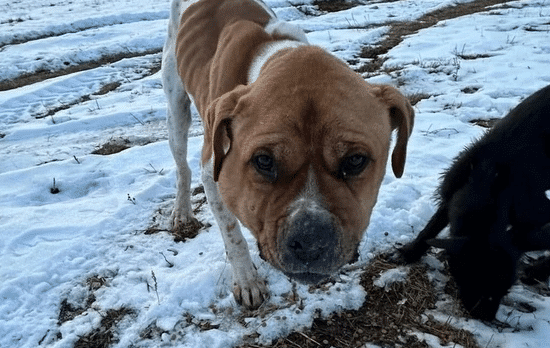
Several of the dogs were said to be matted and have feces in their fur, and suffering from other health conditions, and several of the animals were young puppies, Animal Services said.
Local, independent, in-depth.
Our Prairie stories.
The news was a shock to many in Winnipeg, but Neufeld said for many in Steinbach, and in surrounding southeastern Manitoba rural communities like Hanover and Ste. Anne, it is not uncommon to see animals in similar conditions, especially when they are being bred and kept for profit.
“It’s not as surprising around here for that reason,” she said. “There are people around here that think animals are an easy way to make money and nothing more, in some cases with absolutely no regard at all for the welfare of the animals.
“Some of the things we have seen are shocking.”
Neufeld said there are breeders in the Steinbach area who do what they do with good intentions and take care of their animals, but there are others that commit acts she said are “unspeakably cruel.”
That includes, according to Neufeld, leaving dogs, and in many cases newborn litters, in unheated sheds or other shelters on hard floors in the dead of winter, and in unventilated shelters with no cooling or even windows in the summer, in some cases living in their own feces and urine while breeding.
“Litter’s are just being born on the floor, and not even checked on,” Neufeld said. “It’s indescribable.”
She says some of the same breeders who mistreat animals, also have little use for them once they can’t be used to make a profit, while there are others in the area who aren’t breeders, but simply don’t want their pets or that responsibility anymore .
That has led to a growing and alarming number of people in southeastern Manitoba driving out into remote areas, and abandoning cats and dogs on the side of the road.
“When they don’t need or want them anymore, they just ditch them somewhere, it’s very common. We get calls all the time that dogs and cats are just dumped like garbage. We had one person call and say someone had thrown a cat out the car window.”
Issues surrounding animal abandonment have become so prevalent in the area in recent years that back in January the RM of Ste. Anne, located north of Steinbach, passed a bylaw, and can now fine $1,000 per animal for those who abandon pets, such as dogs and cats, within the RM.
“It’s not a new problem, but it has intensified over the last little while,” RM of Ste. Anne Deputy Reeve Randy Eros said back in January.
According to Eros, $1,000 was the maximum fine allowed under current provincial legislation, but he said the RM needed to send a “strong message.”
Neufeld said SAAR was “ecstatic” when the bylaw was passed, but believes much of the reason they continue to see incidents of animal cruelty and abandonment is because of a lack of strong laws to keep domesticated animals safe across the province.
“It’s not illegal to breed, but I do think there has got to be some regulations put in place,” she said. “Breeders should be registered and on file, and they should be checked on at the very least.”
She said SAAR and other animal welfare organizations in Manitoba believe municipalities as well as the provincial government needs to be far better informed and educated about the scope of animal cruelty in this province, so they can start passing better and stronger laws to combat it.
“We have a lot of work to do to create awareness about what is happening,” Neufeld said. “It’s essential for us to rally together to prevent this cruelty,” she said.
“I think some of the people who make these laws need to come and spend a week with us and see what’s really happening.
“If they saw what we see, I think their minds would change pretty quickly.”
A WPS spokesperson confirmed on Friday police do not believe the 68 dogs discovered in a Winnipeg home were being kept for breeding or profit, and said there is no ongoing investigation regarding the incident.
This story was originally published in The Winnipeg Sun. It is republished under a Creative Commons license as part of the Local Journalism Initiative.
Our Prairie stories matter too.
The Flatlander takes a closer look at the stories that unite us, and make us unique, in Saskatchewan and Manitoba.
Will you help us tell our stories?