Treaty 4 to mark its Sesquicentennial in September
September 15 will mark 150 years since the Queen’s representative and the Cree and Saulteaux tribes signed the Treaty in Fort Qu’Appelle.
When Manitoba was only four years old, and more than three decades before Alberta and Saskatchewan ever existed, the Crown recognized nearly 200,000 square-kilometres covering the southern regions of all three of these present-day provinces as Treaty 4 territory.
September 15 will mark 150 years since the Queen’s representative and the Cree and Saulteaux tribes signed the Treaty in Fort Qu’Appelle.
Back then, Treaty Commissioner Alexander Morris who represented the Crown during the negotiations outlined the promises of “bounty and benevolence.” These translated to include reserve land, agricultural provisions, schools, and annuities.
Every year, the Treaty 4 Gathering takes place at the site of the original signing, but this year it will be extra special.

Local, independent, in-depth.
Our Prairie stories.
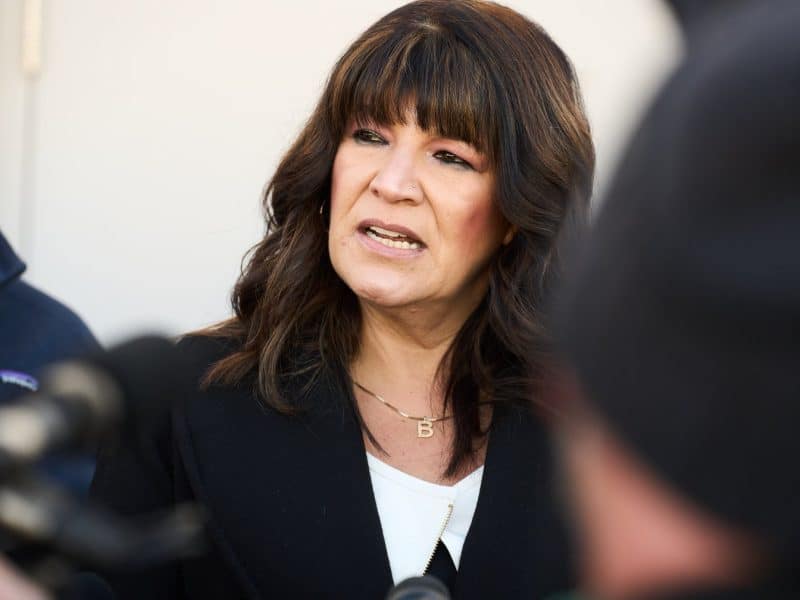
“I hope people who attend the gathering come away with a renewed commitment to keep the spirit and intent of the Treaty, of all our Treaties, alive,” said Chief Lynn Acoose of Zagime Anishinabek.
It is not only a time to gather but to talk about Treaty and remind everyone about the importance of Treaty.
“These conversations are important,” said Acoose. “They should be in an open process, in the light of day.”
She said such discussions are critical for all Canadians, not just Indigenous people. The phrase, ‘we are all Treaty people’ applies to both Indigenous and non-Indigenous Canadians, and as such, Canadians of all backgrounds and ethnicities are encouraged to join the 150th Anniversary in recognition of Treaty 4.
The annual Treaty 4 gathering is special to her because she grew up around strong leaders, including her father who also served as chief.
Acoose learned of the promises made and broken from an early age, which instilled in her a deep respect for the treaties.
“I think it’s important to continue to resist Canada’s refusals to properly implement Treaty through the mechanism that was originally promised to our ancestors,” said Acoose.
One of the original promises included having a representative from the Crown present to speak on Treaty 4 directly, said Acoose, and not have any closed-door, elite, or small-group meetings.
“When Treaty 4 was negotiated, the people were promised, a representative of Her Majesty the Queen, would attend at the Treaty 4 grounds every year to talk about the aspect of the Treaty,” said Acoose. “That was a mechanism of treaty implementation moving forward.”
This occurred once.
In 2016, the Gov-Gen David Johnson met with Treaty 4 chiefs in Fort Qu’Appelle. The Gov-Gen is the Crown’s representative.
Events planned this year will include a commemorative event celebrating the 150th anniversary, in addition to the annual governance forums, powwow, parade, golf tournament, fastball championship, and student activities.
The full list of events is available online at www.treaty4gathering,ca.
There are 11 numbered Treaties in Canada with six in Saskatchewan (Treaty 2, Treaty 4, Treaty 5, Treaty 6, Treaty 8 and Treaty 10). Thirty-six First Nations are a part of Treaty 4.
This story was originally published in Eagle Feather News. It is republished under a Creative Commons license as part of the Local Journalism Initiative.
Our Prairie stories matter too.
The Flatlander takes a closer look at the stories that unite us, and make us unique, in Saskatchewan and Manitoba.
Will you help us tell our stories?