
Violence against Prairie teachers a growing problem
School staff across Manitoba and Saskatchewan are facing escalating violence, from daily harassment to physical injuries.
From kindergarten tantrums to high school meltdowns, educators in Saskatchewan and Manitoba can find themselves dodging kicks, punches and the occasional flying chair as part of their job.
Violence against teachers and school staff in Saskatchewan and Manitoba has surged in recent years.
One Saskatchewan educational assistant put it bluntly in a 2024 University of Ottawa study: “The student flipped a table, choked me with my lanyard, and launched a chair into the wall.” That same year? She was punched in the face and had scissors held to her throat.
The study, Beyond the Breaking Point: Violence Against Saskatchewan’s Education Sector Workers, found 84 per cent of school staff in Saskatchewan had been on the receiving end of physical force or threats, while 87 per cent had been harassed by students. Half also said they’ve been harassed by parents.
It’s not just surveys revealing the problem. In Saskatchewan Rivers Public School Division, which includes 32 schools in Prince Albert and the surrounding area, injuries among non-teaching staff jumped from 18 in one year to 31 the next. Teachers aren’t included in those numbers because, they’re not covered under the Workers’ Compensation Board reporting, which could mean the number of injuries is much higher.
Local, independent, in-depth.
Our Prairie stories.
“We are exhausted, overworked, stressed, anxious,” said a teacher quoted in the University of Ottawa study. “Our students who witness these events are traumatized.”
Provincial authorities have begun to acknowledge the issue.
In 2024, the Saskatchewan government launched a $3.6 million pilot project to help teachers manage disruptive classroom behaviour through specialized support classrooms.
Eight urban school divisions established a dedicated classroom staffed by a teacher and two educational assistants, with access to additional supports such as psychologists and counsellors.
These classrooms focused on short-term targeted interventions, helping students develop self-regulation skills while minimizing disruptions to their home classrooms.
The pilot, which ran until the end of the 2025 school year, aimed to give teachers more time to focus on instruction, reduce classroom disruptions, and provide long-term insights into managing complex student needs.
Meanwhile, in Manitoba, violence against school staff is on the rise. See the story below about one Brandon resource teacher, Julie Braaksma, who was injured after being assaulted by a six-year-old student during a classroom outburst, a case she says reflects a growing trend of violence in schools.
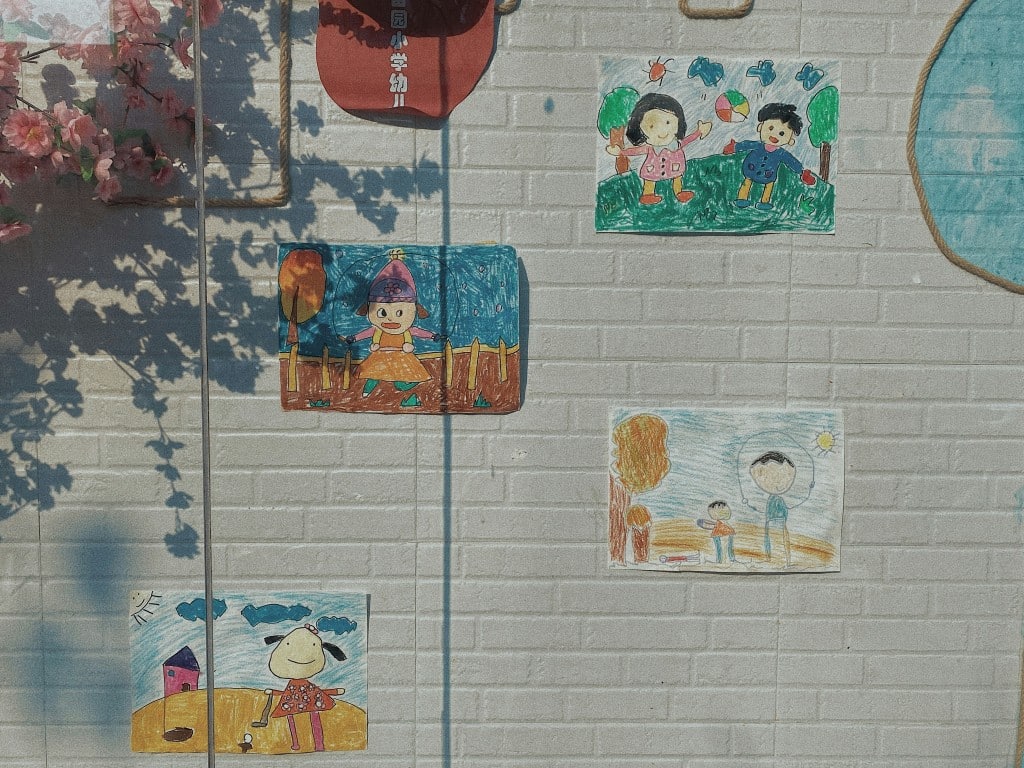
Manitoba teachers and EAs grapple with student violence
Julie Braaksma, better known as Ms. Braaksma inside her Brandon elementary school, was called for back-up help when a Grade 1 student burst into a temper tantrum in January.
More than 15 years into her career as a resource teacher, the request was not out of the ordinary; in fact, she often tells colleagues to reach out if they need assistance to de-escalate a situation.
“Objects were flying out of the classroom — school supplies, pencils, toys,” Braaksma recalled about the scene in January.
The distressed boy grew increasingly frustrated as his classmates evacuated the room.
Moments later, the six-year-old picked up a chair to throw at Braaksma. In an attempt to retreat, she tripped over a desk and fell to the ground.
That’s when the child jumped on her and started punching her with a building block, she said.
Our Prairie stories matter too.
The Flatlander takes a closer look at the stories that unite us, and make us unique, in Saskatchewan and Manitoba.
Will you help us tell our stories?
Author

Related Articles
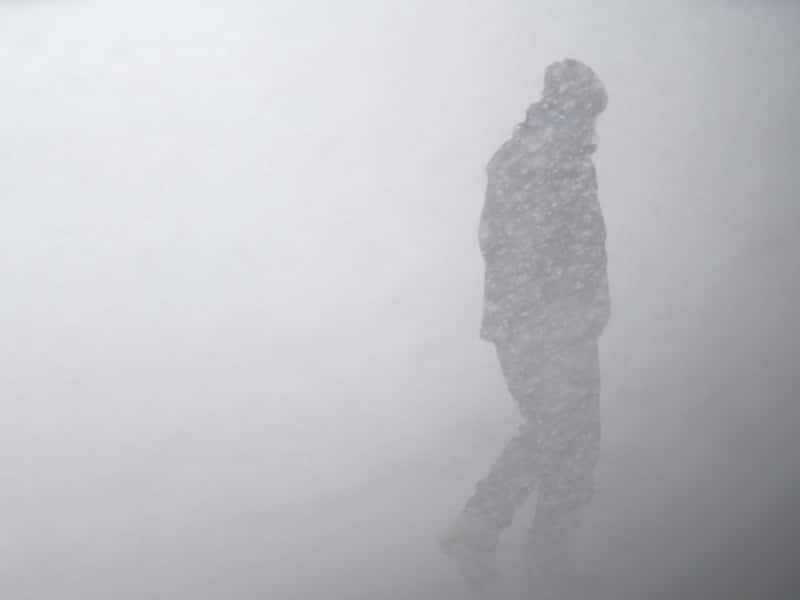
Saskatchewan screamer? Manitoba mauler? Prairie storm names explained
After last week’s defence of sunny Prairie winters, a fast-moving Alberta clipper arrives to remind Saskatchewan and Manitoba who’s really in charge—bringing sudden cold, sharp winds, and one of winter’s strangest nicknames. Depending on where it crosses the border, the same storm takes on far more dramatic names.
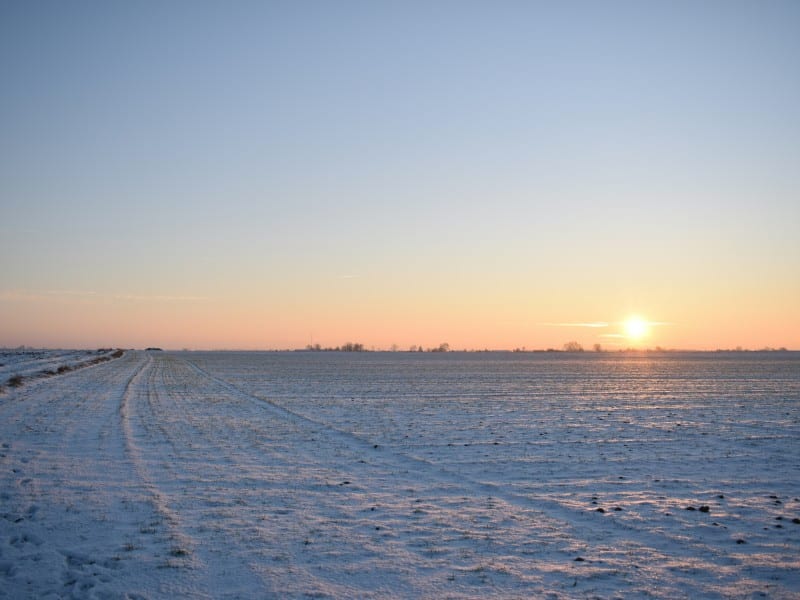
B.C. gets more rain. The Prairies have more sunshine.
Vancouver gets about 1,938 hours of sunshine a year. Winnipeg gets roughly 2,353. Regina clocks in at 2,338 hours, Saskatoon at 2,268. One of the sunniest cities in Canada is Estevan with 2,404 hours.
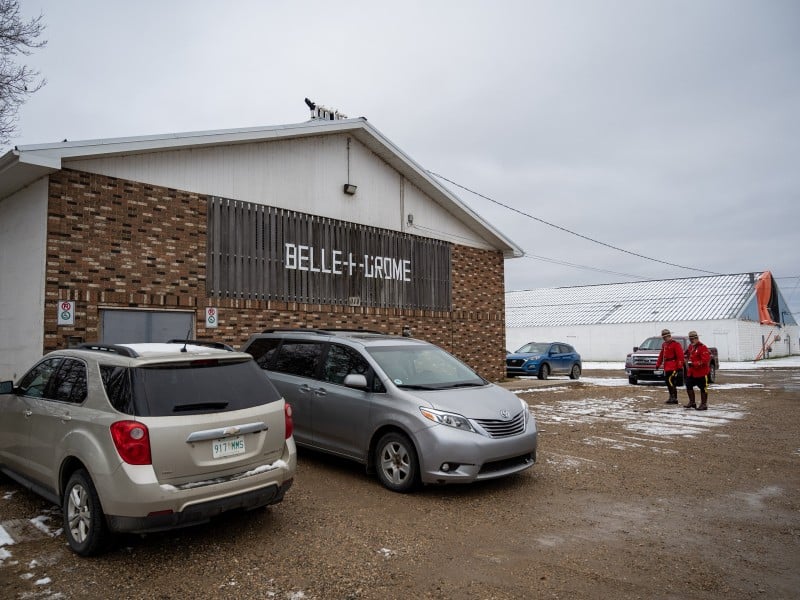
If you were mayor of Duck Lake, Sask…
Whatever happens next in Duck Lake, it’s clear that Prairie residents care deeply about their history, identity, and sense of place.