
Would you eat genetically modified food?
We’re diving into the topic of genetically modified (GM) food, made up of crops or organisms whose genetic material has been altered in a way that does not occur naturally through traditional breeding methods.
Hello Flatlanders,
In this edition, we’re diving into the topic of genetically modified (GM) food, made up of crops or organisms whose genetic material has been altered in a way that does not occur naturally through traditional breeding methods.
I knew GM food existed, but I had never considered whether it was in the food I ate until I researched it. And guess what? We’re all probably eating some form of GM food.
In the summer, all those yellow canola fields we see while driving down the highways of Saskatchewan and Manitoba are GM plants, even the wild canola we see growing in ditches.
The modified canola crossbred with the natural varieties and outcompeted them.
Local, independent, in-depth.
Our Prairie stories.
GM corn, soy and sugar beets are also making their way into our foods. One of these GM plant species has become a living pesticide.
Why don’t we, as consumers, know this?
Canada doesn’t require GM foods to be labelled because it deems these foods to be as safe and nutritious as non-GM foods.
Generally, crops are modified to be resistant to insects and pesticides.
You can read more about these genetically modified foods we are eating here.
Gene editing
Genetically modification can involve genetic engineering, where scientists introduce foreign genes into an organism to achieve specific traits or characteristics.
But there is also gene editing, where the DNA within a plant’s genome can be changed without introducing foreign genes.
Techniques like CRISPR-Cas9 allow scientists to target and edit specific gene sequences to modify existing traits or the correction of genetic defects.
Some of the possible benefits that scientists are looking into at the University of Saskatchewan are how to use gene editing to make drought-resistant crops and how to create plants that can sequester more carbon.
This week, freelance writer Delaney Seiferling looks at how gene editing is being regulated in Canada and how some people think it could benefit us while others say more caution and transparency are needed.
It’s like science fiction, but it’s happening right in our backyard.
You can read Delaney’s article here.
Five stories from Manitoba you may have missed
- Human rights complaint filed over Manitoba election ad against landfill search.
- Nurse speaks out on dire working conditions at Thompson Hospital ER
- Commemorating 10 years since gas explosion
- Feasibility study set to begin on potential protected area in northern Manitoba.
- A combination curling centre and music museum? Manitoba continues to mull
Five stories from Saskatchewan you may have missed
- Sask. RCMP note spike in homicides
- Saskatchewan teacher strike: It’s about bargaining for the common good
- Companies fined after worker injuries
- Hudson Bay’s Chelsea Purcell key behind scenes for pro women’s hockey league
- Former Regina hockey coach convicted of sexual assault sentenced to three years
Our Prairie stories matter too.
The Flatlander takes a closer look at the stories that unite us, and make us unique, in Saskatchewan and Manitoba.
Will you help us tell our stories?
Author

Related Articles
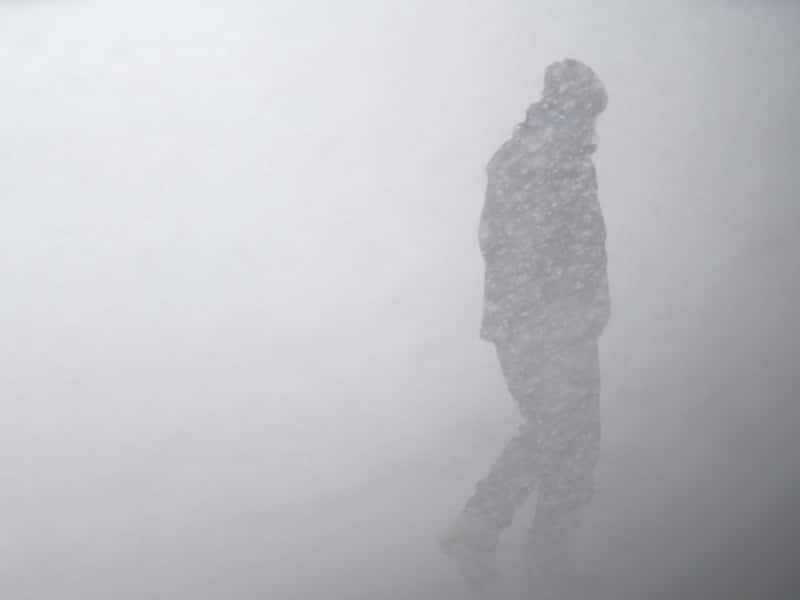
Saskatchewan screamer? Manitoba mauler? Prairie storm names explained
After last week’s defence of sunny Prairie winters, a fast-moving Alberta clipper arrives to remind Saskatchewan and Manitoba who’s really in charge—bringing sudden cold, sharp winds, and one of winter’s strangest nicknames. Depending on where it crosses the border, the same storm takes on far more dramatic names.
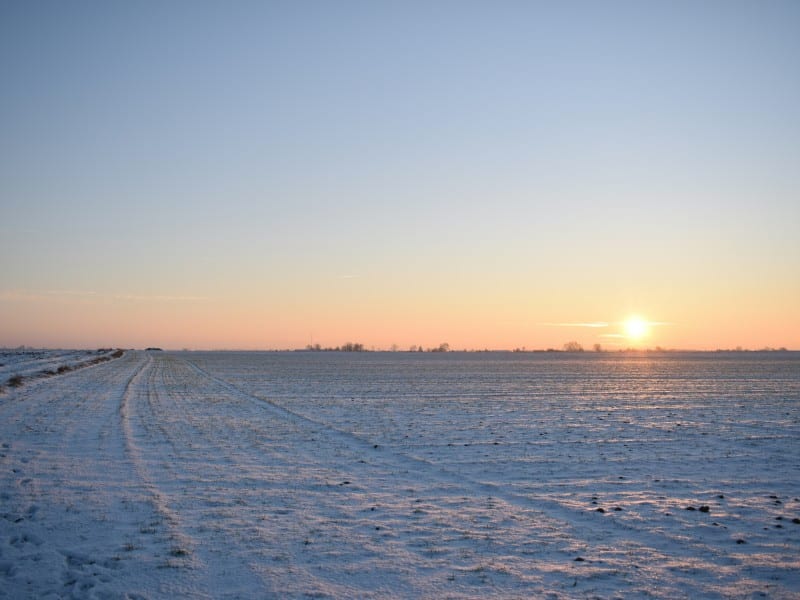
B.C. gets more rain. The Prairies have more sunshine.
Vancouver gets about 1,938 hours of sunshine a year. Winnipeg gets roughly 2,353. Regina clocks in at 2,338 hours, Saskatoon at 2,268. One of the sunniest cities in Canada is Estevan with 2,404 hours.
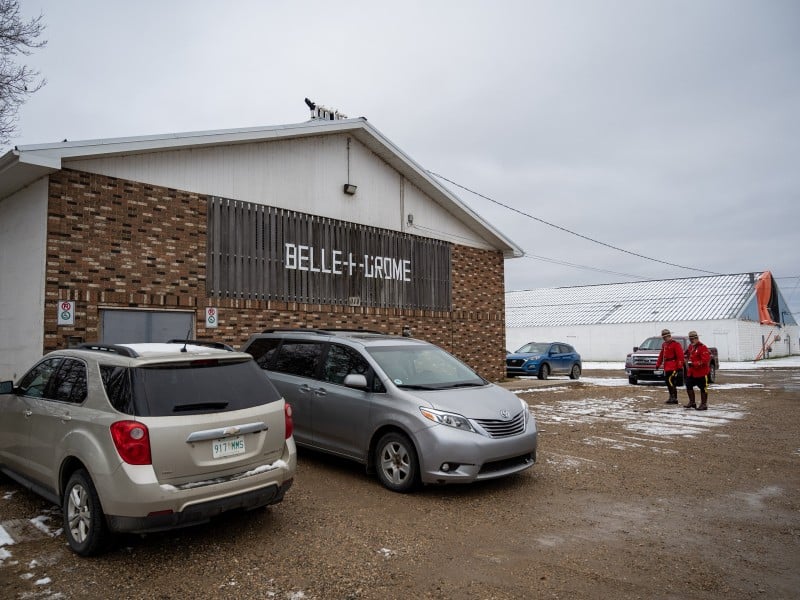
If you were mayor of Duck Lake, Sask…
Whatever happens next in Duck Lake, it’s clear that Prairie residents care deeply about their history, identity, and sense of place.