Regina’s proposed AI data centre may not use water the way people think
BCE Inc., the parent company of Bell Canada, is building a massive data centre outside Regina, one of the largest projects of its kind in Canada.
The company says the project could generate up to $12 billion in economic activity, support hundreds of construction jobs, and create dozens of permanent positions, along with hundreds more indirect jobs in the community.
The data centre is expected to come online in phases in 2027 and will be used in part to power sovereign AI computing, with services delivered in partnership with SaskTel.
What is a data centre?
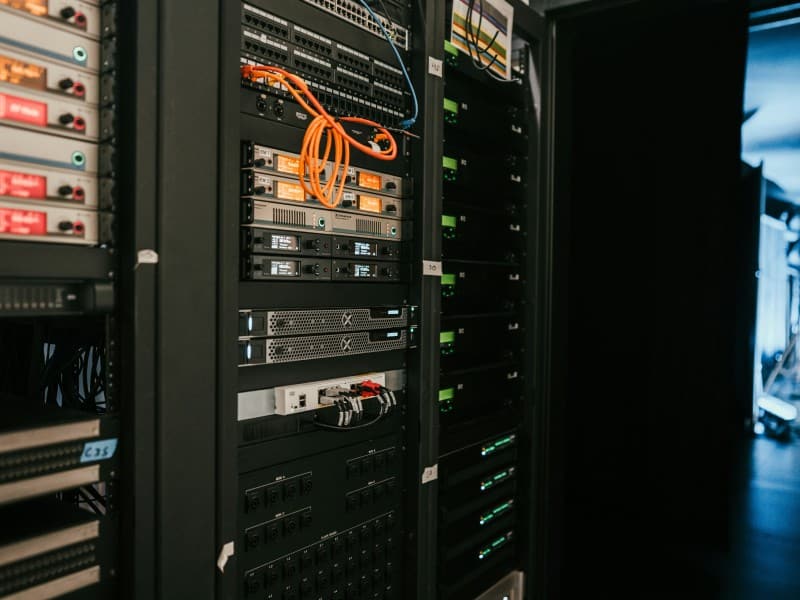
A data centre is essentially a large building filled with computers that store and process information. Every time you send an email, stream a video, or use an app, your data is being handled by servers in facilities like these.
Local, independent, in-depth.
Our Prairie stories.
Think of it like a warehouse for the internet. Instead of storing boxes, it stores information.
When you click on something online, a data centre finds that information and sends it to your device in seconds.
The internet may feel abstract, but it needs very real buildings, using very real power and resources, to operate.
The Regina data centre would be one of these physical hubs of the internet, running continuously.
Related:
How much power will the proposed Bell Regina data centre use?
At 300 megawatts, the proposed Regina facility would use enough electricity to supply roughly 300,000 homes, about the size of a city like Winnipeg. Read more.
Will the data centre strain local water supplies?
The short answer: not in the way many people fear.
How the data centre will be cooled?
Data centres run hot and need to be kept cool. Some large facilities rely on evaporative cooling systems, which continually consume large amounts of water. That’s not what’s being proposed here.
Bell Canada says the Regina-area facility will use a closed-loop cooling system, which means the water stays inside the system and continuously circulates. It only needs to have the water changed every 10 years.
The water used, called “technical water,” will be highly purified and trucked in, rather than drawn from local sources.
Will the data centre be connected to city water?
Yes, but only for standard uses, like providing water for kitchen and bathroom sinks, flushing toilets and fire protection. It won’t be used for cooling servers.
So if you’re picturing a facility drawing large volumes of water from Regina’s system 24/7, that’s not what’s currently planned.
Why local farmers are still concerned
The bigger issue for nearby landowners isn’t water use, it’s the risk of contamination to groundwater.
Many families near the site rely on private wells drawing from the same underground aquifer.
Key groundwater risks identified by residents
1. Construction impacts
Deep concrete piles could punch through natural soil layers that currently protect groundwater. This could create pathways for surface contaminants and potentially allow pollutants to reach the pressurized aquifer that supplies local wells.
2. Wastewater system risks
The site plans to use an onsite lagoon system. These systems typically rely on clay liners or synthetic membranes to contain wastewater. If those systems fail, through wear, damage, or poor monitoring, residents worry about:
- Undetected seepage into the ground
- Long-term contamination of the aquifer
- Damage that may be difficult, or impossible, to reverse
Drainage and runoff
A 500,000 square foot development, plus parking, will introduce a large amount of hard, paved surface into what is currently agricultural land. Even with mitigation measures like detention ponds and bioswales, neighbouring landowners say the scale of the project could:
- Increase the volume and speed of runoff
- Alter natural drainage patterns
- Put pressure on ditches, culverts, and nearby fields
None of these are guaranteed problems. But they are possible, which is why residents pushed for safeguards during the approval process.
What protections are in place?
During the approval process, landowners submitted 42 formal concerns.
- 40 were addressed before the final meeting
- The remaining two, expanded well testing and noise measurement, were resolved at the final meeting
As part of the agreement, Bell committed to:
- Baseline testing of nearby wells before construction
- Ongoing monitoring
- Fixing any damage or providing alternative water supplies if issues arise
And there will be enforcement.
What happens if something goes wrong?
The RM of Sherwood has several tools to hold the company accountable:
- Stop construction or suspend permits
- Use Bell’s financial security deposits to fund repairs
- The RM can step in directly and bill the developer
- Send disputes to binding arbitration
Bottom line
The proposed Regina-area data centre is not expected to have a significant impact on local water supplies for cooling.
But for nearby farmers, the concern is protecting groundwater, and ensuring there are strong safeguards if something goes wrong.
They’ll be watching closely.
Our Prairie stories matter too.
The Flatlander takes a closer look at the stories that unite us, and make us unique, in Saskatchewan and Manitoba.
Will you help us tell our stories?
Author