Family files suit against Cross Lake First Nation over fatal fire
The lawsuit claims the home only had one door, three windows that would all be difficult to escape through because of their sizes and had limited access to running water and no fire extinguisher. Only four of the seven inside were able to escape the blaze.
Almost two years after three youth perished in a house fire, their parents are suing a First Nation because they claim they were forced to live in unsafe conditions contributing to their children’s deaths.
“Believe me, this is not a house that if you had a choice to live in that you would want you and your family to live in,” Winnipeg-based lawyer Martin Pollock said on Tuesday.
Pollock is representing Melodie and Patrick North, a couple who filed a statement of claim on Jan. 4 in the Court of King’s Bench against the Cross Lake First Nation, a community located more than 750 kilometres north of Winnipeg also referred to as the Pimicikamak Cree Nation.
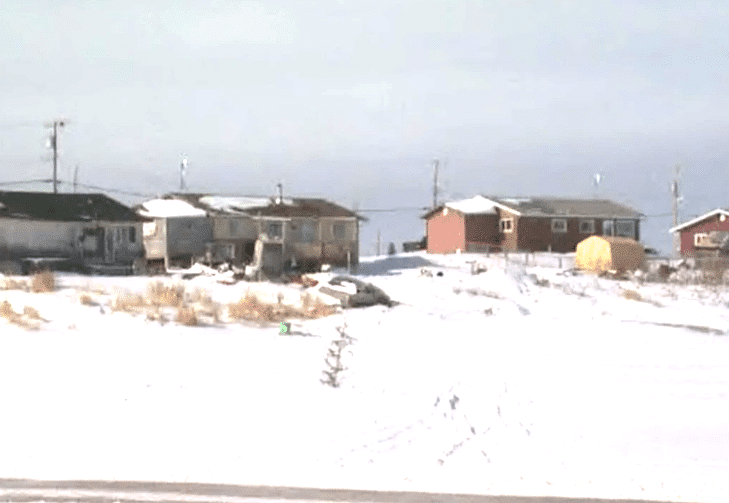
The couple’s three children were 17, 13 and 2 when they died in a house fire on Feb. 12 of 2022 in a home that was provided to them and owned by the First Nation.
Local, independent, in-depth.
Our Prairie stories.
According to the statement of claim five people lived in the 256 square-foot home permanently and there were seven people in total, including the three children who died, the parents, and two others sleeping in the home when the fire broke out.
The lawsuit claims the home only had one door, three windows that would all be difficult to escape through because of their sizes and had limited access to running water and no fire extinguisher. Only four of the seven inside were able to escape the blaze.
It also claims the home was only supposed to be used temporarily during the height of the COVID pandemic.
“It was a COVID house,” Pollock said. “This was never supposed to be anyone’s permanent residence, but they stayed because the community continues to deal with housing shortages.”
The lawsuit lists several reasons the family believes the First Nation is culpable in the children’s deaths, including housing the family in a structure it says did not meet fire codes and failing to provide adequate doors or windows for escape in case of an emergency.
It also says that when firefighters arrived about 30 minutes after the fire was first reported, they had no access to equipment or water to suppress the fire and the three youth “were burned to their deaths.”
According to the lawsuit the First Nation “failed to respond to an emergent fire situation in a timely manner,” and failed to “act with diligence, prudence, and reasonable care in response to a notification of a fire on Reserve.”
The lawsuit is seeking more than $300,000 in total damages.
The Winnipeg Sun has reached out to Cross Lake First Nation Chief David Monias for comment.
A Statistics Canada report released in 2021 showed that Indigenous people in Canada are more than five times more likely to die in a fire than non-Indigenous people, while First Nations (status and non-status) people in Canada are more than 10 times more likely to die in a fire than non-Indigenous people.
This story was originally published in The Winnipeg Sun. It is republished under a Creative Commons license as part of the Local Journalism Initiative.
Our Prairie stories matter too.
The Flatlander takes a closer look at the stories that unite us, and make us unique, in Saskatchewan and Manitoba.
Will you help us tell our stories?