Fast action needed on zebra mussels, lake expert warns
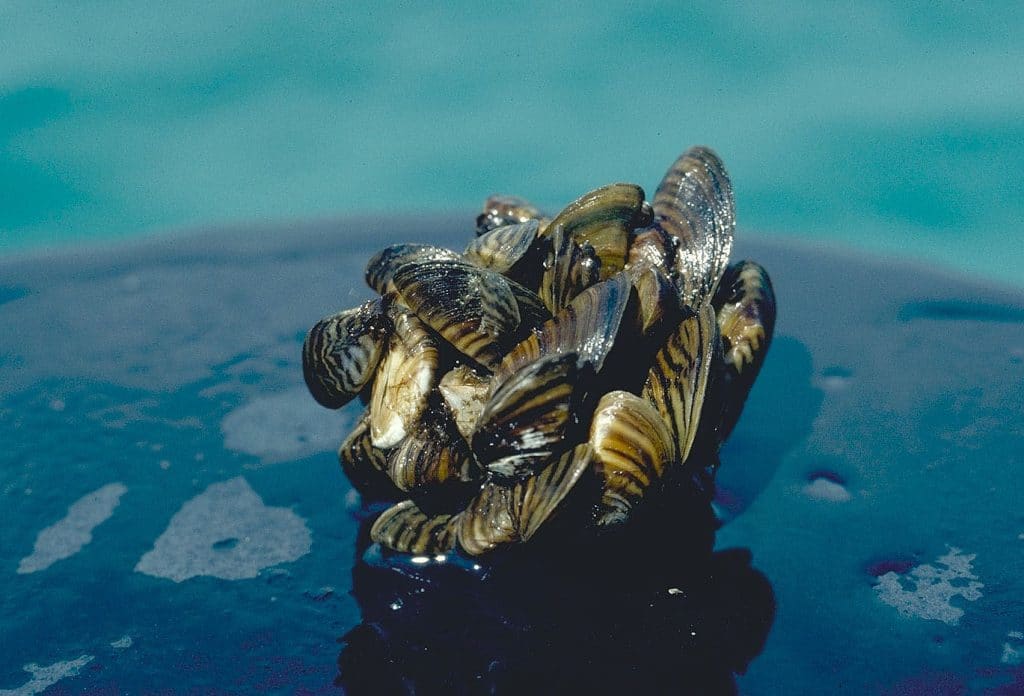
Samples collected from Clear Lake in Riding Mountain National Park indicate the presence of environmental DNA (eDNA) for zebra mussels.
If radical, immediate action is not taken against the presence of zebra mussels in Clear Lake, it will soon be too late, says healthy lakes expert Trevor Maguire.
Samples collected from Clear Lake in Riding Mountain National Park indicate the presence of environmental DNA (eDNA) for zebra mussels.
The samples, collected in the summer, show the eDNA present at Boat Cove throughout the season.
The eDNA was found despite Parks Canada’s ramped-up efforts to keep the aquatic invasive species out of Clear Lake this summer, which included requiring boat operators not to have used their craft in any other body of water this year and that all boats pass an initial inspection before receiving a permit to access Clear Lake.
Local, independent, in-depth.
Our Prairie stories.
Parks Canada enforced the new rules by installing tags to attach boats to trailers, which informed staff the vessel had not been in another water body and possessed no risk of bringing aquatic invasive species into Clear Lake.
If the tags were removed, cut, or tampered with, the boat would not be allowed to launch in the lake for the remainder of the season.
The problem, Maguire said, is a lack of provincial support and regulations to try to protect lakes from aquatic invasive species.
“Our province has not really stepped up to take it seriously yet, and unfortunately, what’s going to happen is it’s going to be too late. By the time they realize the impact, it’s going to be too late,” said Maguire, who is chairperson of the Pelican Lake Healthy Lake Committee.
Maguire was appointed to the province’s Aquatic Invasive Species Forum last year, but aside from one initial meeting, where attendees were asked for their thoughts on how to deal with the threat of zebra mussels and other aquatic invasive species, the forum hasn’t done anything, he said.
Related:
More inspection stations for zebra mussels coming to Manitoba
Manitoba Hydro it would spend about $2 million, to try and prevent damage to six of their generating stations along the Nelson River where they say the infestation of the mussels has been growing and spreading. Read more.
Parks Canada on guard against zebra mussels
Parks Canada is implementing new boating regulations to strengthen its aquatic invasive species program and protect the long-term health of Clear Lake. Read more.
“We were all asked to put in written submissions on actions that we thought were relevant. Mine specifically said you need to act now, because you’re in the middle of an epidemic, and it needs to be dealt with.”
For the rest of the summer, hardly anything happened with regards to provincial regulations aimed at aquatic invasive species, he said, other than the province adding two new watercraft inspection stations at Ste. Rose du Lac and Minnedosa.
For Maguire, it wasn’t nearly enough to stand up to the threat of zebra mussels.
“Not much happened, and now we have zebra mussels in Clear Lake,” he said.
Keeping zebra mussels out of lakes and other bodies of water requires full co-operation from the people who recreate at those areas, and Maguire doesn’t think this is something that is likely to happen any time soon.
If things continue along in this vein — and Maguire says he has no reason to believe they won’t — fisheries will eventually be devastated by zebra mussels and other aquatic invasive species. The problem exists everywhere, and it boils down to people not following the rules, he added.
“There’s a good percentage of people who don’t take (rules and regulations) seriously,” he said, pointing to examples of the anti-mask, anti-vaccine “freedom convoy” protesters during the COVID-19 pandemic.
One idea Maguire has shared about how to effectively stop zebra mussels and other aquatic invasive species from entering new lakes is to give jurisdiction over public bodies of water to local communities such as towns and rural municipalities, which can then decide to ban access to them on a case-by-case basis.
“If that (community) says ‘that’s it, we’re locking this lake down — if you bring your boat in in the spring, then it stays here,’ OK, then you probably don’t get zebra mussels.”
While Maguire says the forum hasn’t been disbanded despite the change in Manitoba’s government following last month’s provincial election, he’s not hopeful that provincial action to stop the spread of zebra mussels will happen in time.
“I’ve asked for a meeting. There hasn’t been any meeting yet,” he said. “The new (environment) minister is going to have to get off their duff and say that this is important.”
The office of Manitoba’s environment minister, Tracy Schmidt, said Schmidt would not be speaking on the issue of zebra mussels. Instead, an emailed statement from a provincial spokesperson said the province is in regular communication with Parks Canada on the detection of zebra mussels in Clear Lake.
“Manitoba will continue to communicate regularly with Riding Mountain National Park to share information and discuss operational plans,” the email said, adding the province has ongoing communication with a variety of partners and interest holders in the issue.
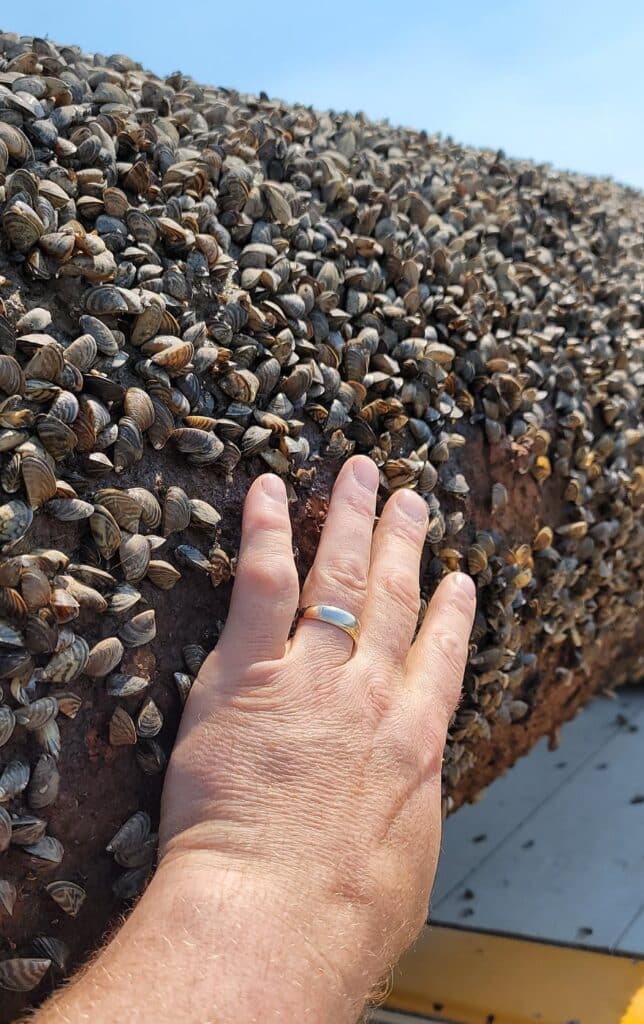
The spread of zebra mussels across Manitoba waterways — and waterways across North America — is like the devastation wreaked by an unchecked wildfire, and unless people begin to treat it as such, the situation will only grow more dire, Maguire said.
“We need 100 per cent compliance from everybody to do the right thing.”
This story was originally published in The Brandon Sun. It is republished under a Creative Commons license as part of the Local Journalism Initiative.
Our Prairie stories matter too.
The Flatlander takes a closer look at the stories that unite us, and make us unique, in Saskatchewan and Manitoba.
Will you help us tell our stories?