No local labourers, commercial agriculture operator relies on foreign temporary workers
“My industry still takes just as much labour as farming in the 1900s did,” said Aaron Krahn, one of three co-owners at Lakeshore. “It’s all done by hand. It’s the nature of the work.”
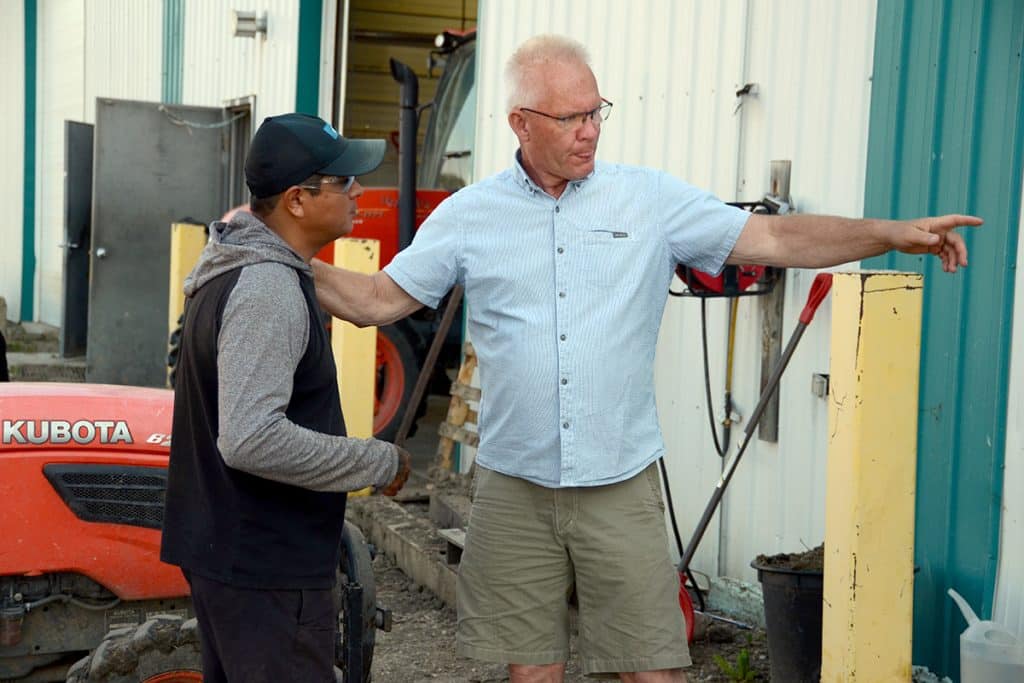
Lakeshore Tree Farms is about 25 km southwest of Saskatoon. It is a 250-acre farming operation that relies on a dozen Mexican workers for success.
These workers come as part of the federal government’s Seasonal Agricultural Worker Program (SAWP).
Every year, Lakeshore employs workers from Mexico to assist in the fields. During the summer of 2024, nine men and three women from Mexico cared for Lakeshore’s 250 types of trees and shrubs, ranging from seedlings to 12-year-old spruce trees. These plants needed individual attention, from planting, transplanting, watering, weeding, and harvesting.
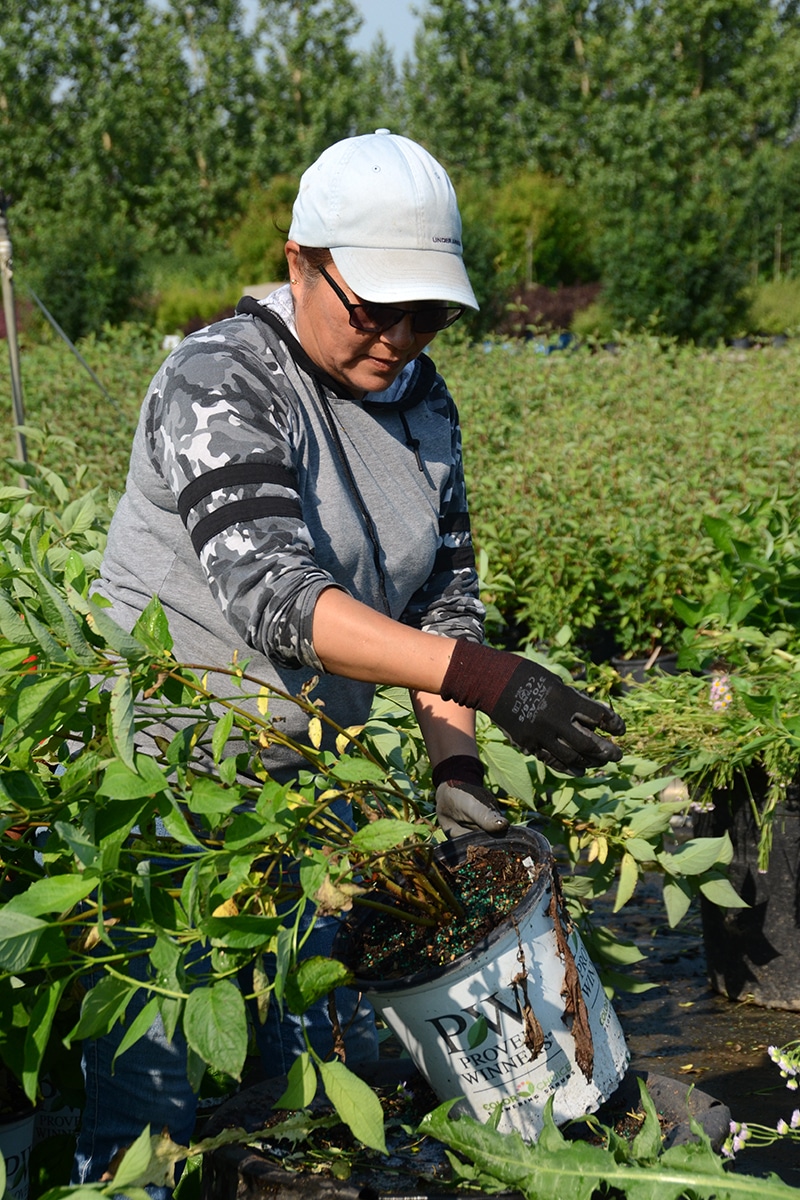
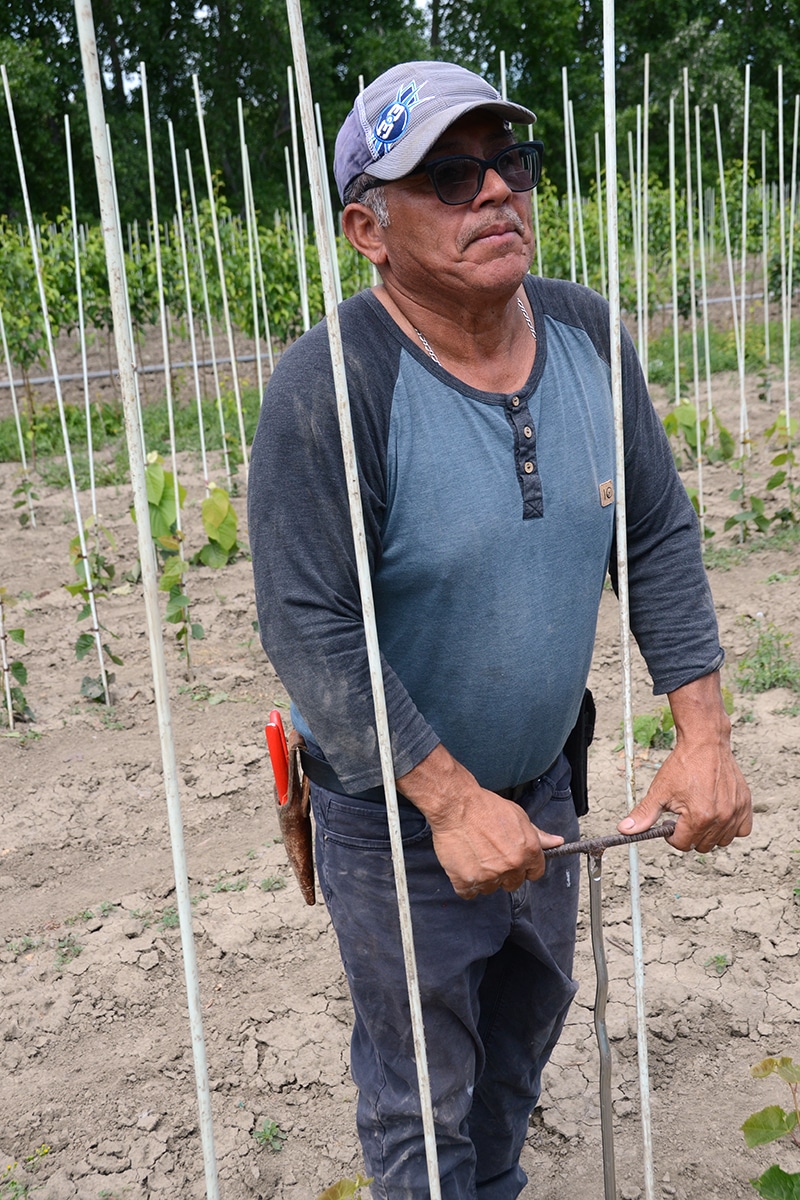
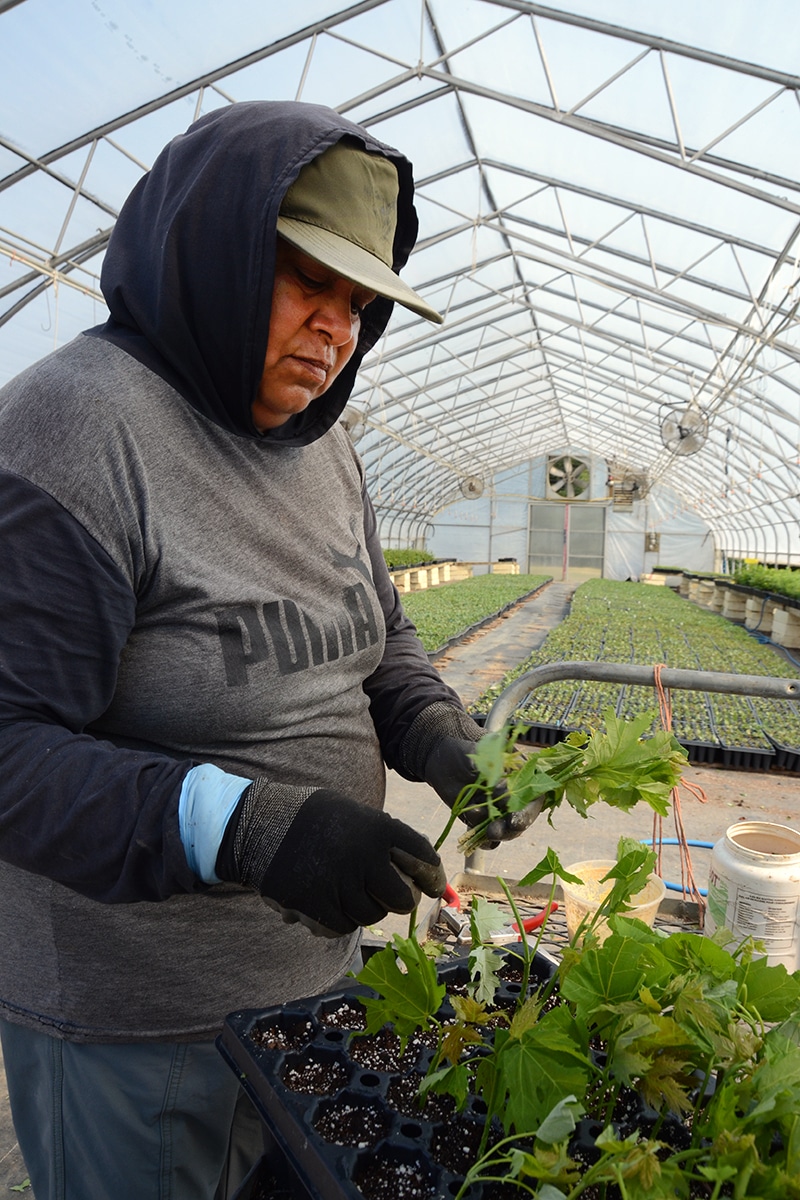
“My industry still takes just as much labour as farming in the 1900s did,” said Aaron Krahn, one of three co-owners at Lakeshore. “It’s all done by hand. It’s the nature of the work.”
Local, independent, in-depth.
Our Prairie stories.
He said the tree nursery industry is considered lacking in labour options.
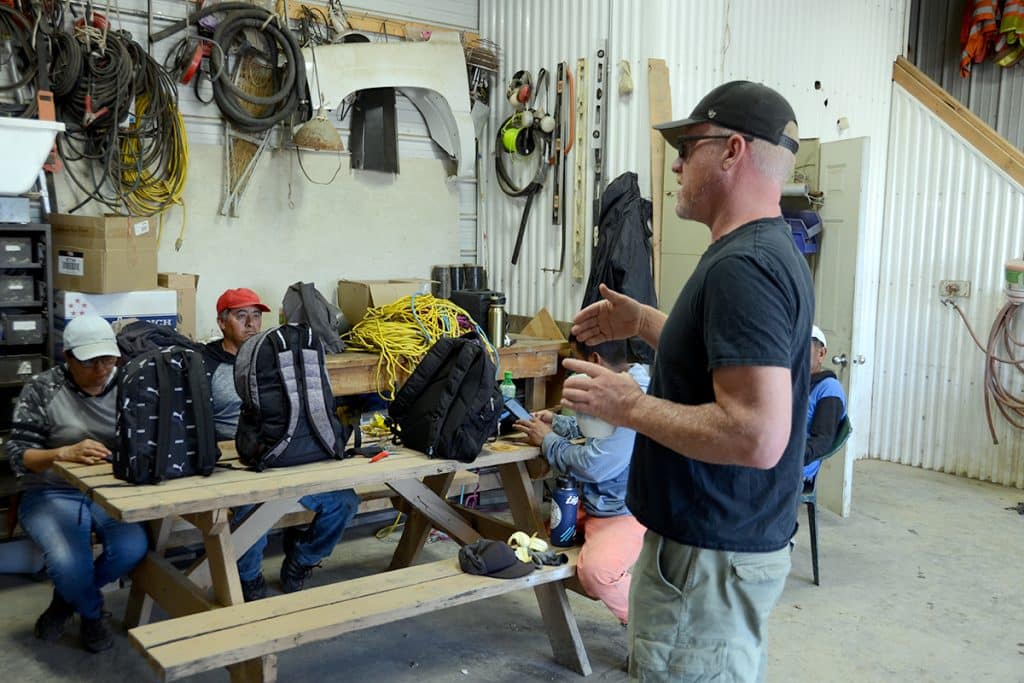
Lakeshore tried hiring students, transients and homeless people to work, but those workers were not dependable.
“We have certain times when we have to finish harvesting all our plants. We have certain times when we have to finish planting,” said Krahn. “The Seasonal Agricultural Worker Program is a politically and practically expedient fit. We wouldn’t exist without it.”
SAWP allows employers to hire temporary foreign workers (TFWs) when Canadians and permanent residents are unavailable.
These employers can hire TFWs from participating countries for a maximum period of eight months, between January 1 and December 15, provided they can offer the workers a minimum of 240 hours of work within six weeks or less.
TFWs must be citizens from Mexico or participating Caribbean countries.
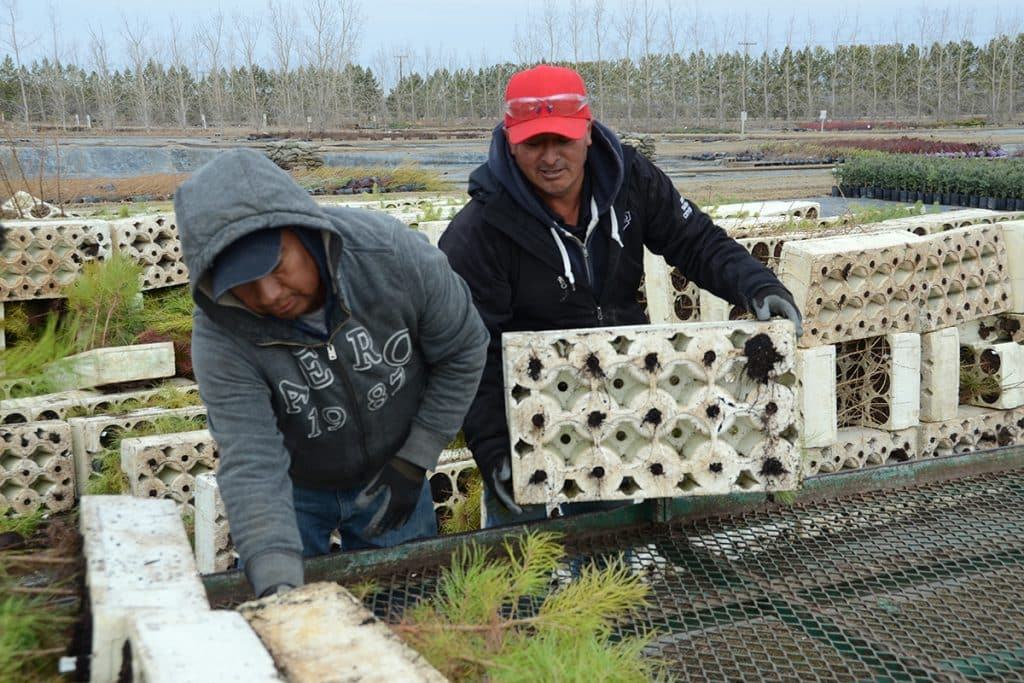
Production must be in specific commodity sectors, and employment activity must be related to primary agriculture on farms.
Lakeshore’s successful foreign worker program was created by one of the other tree farm’s co-owners, Vic Krahn, Aaron’s father, who agreed to be part of a pilot project with SAWP in 1999.
“The first year of the program, we brought in six Mexicans,” said Vic. “Coincidentally, the other six (Canadian) workers didn’t show up.”
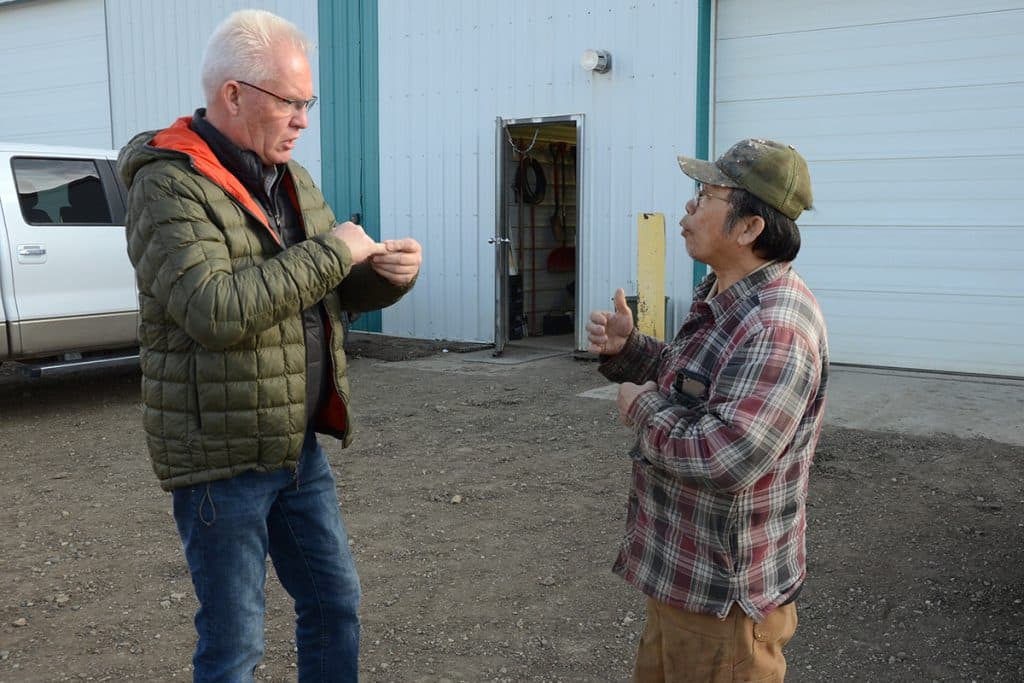
In an email, Israel Vera Espino, liaison officer from the Mexican Consulate in Calgary, said 125 temporary workers from Mexico are in Saskatchewan distributed over 21 farms.
The farms fall within three broad sectors: beekeeping, flower and tree greenhouses and vegetable planting.
Espino said these workers are not considered “migrant” workers but rather “temporary” workers because the objective is not to migrate to Canada.
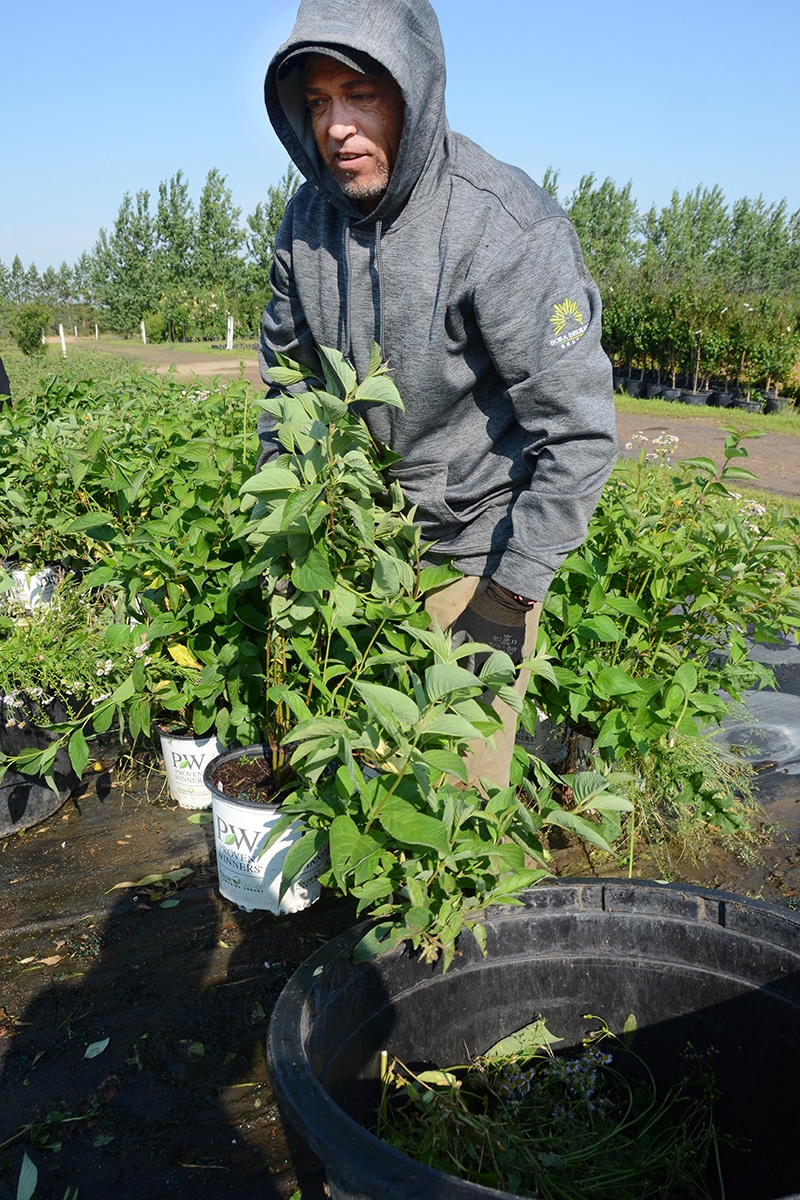
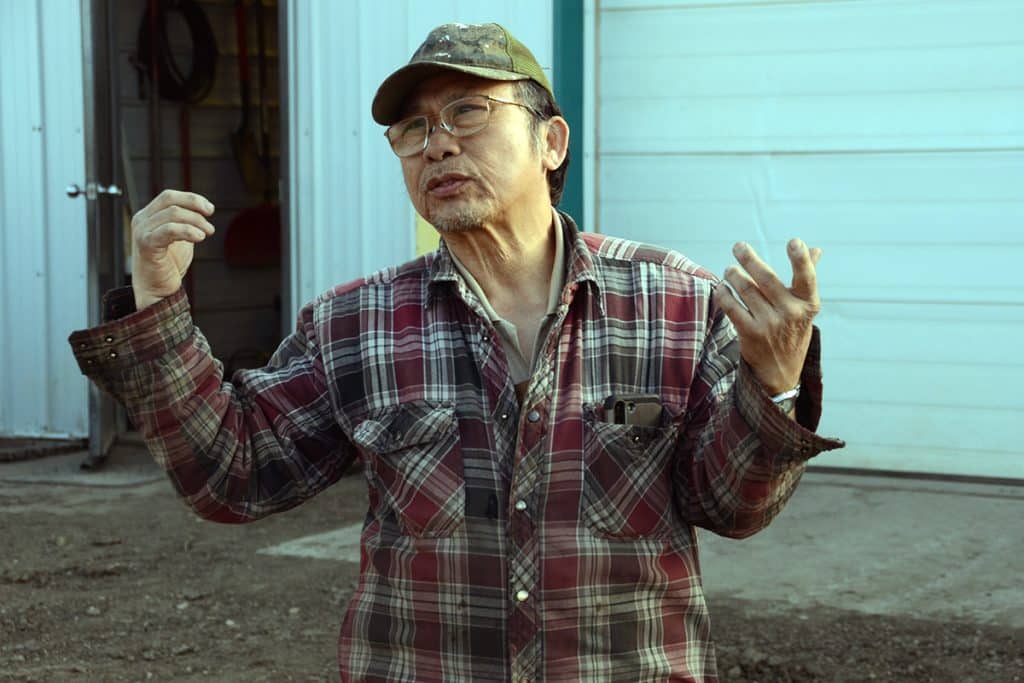
Espino visits the farms where Mexican workers are employed so they can freely “express their doubts and demands.”
He visited Lakeshore on Jul. 9 and observed “complete satisfaction (as well as) deep gratitude to Mexican and Canadian authorities as well as the directors of the farms.”
Mexican worker Miguel Bonella, 34, from Mexico City, has worked at Lakeshore for nine years and finds it difficult to be away from family.
“Especially when my daughter was younger, “ said Bonella. “But it’s worth it. In six months, I can make three times as much as I make in 12 months in Mexico.”
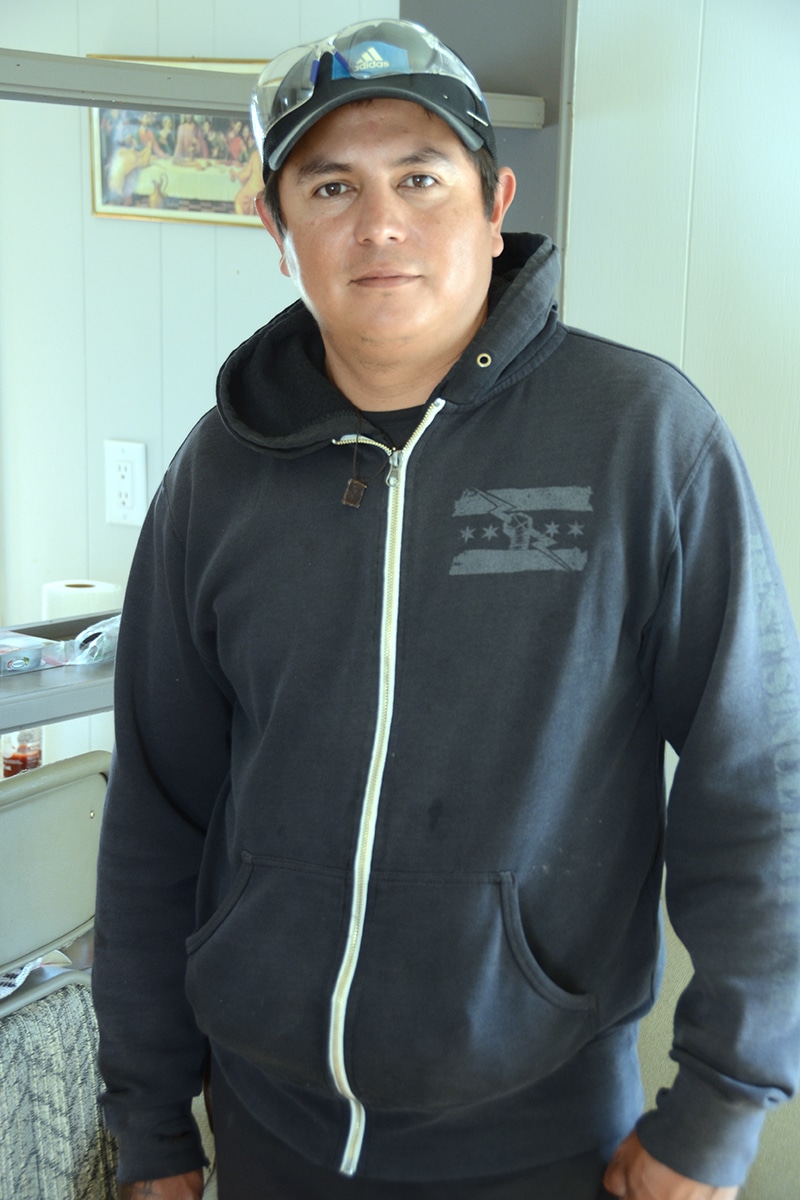
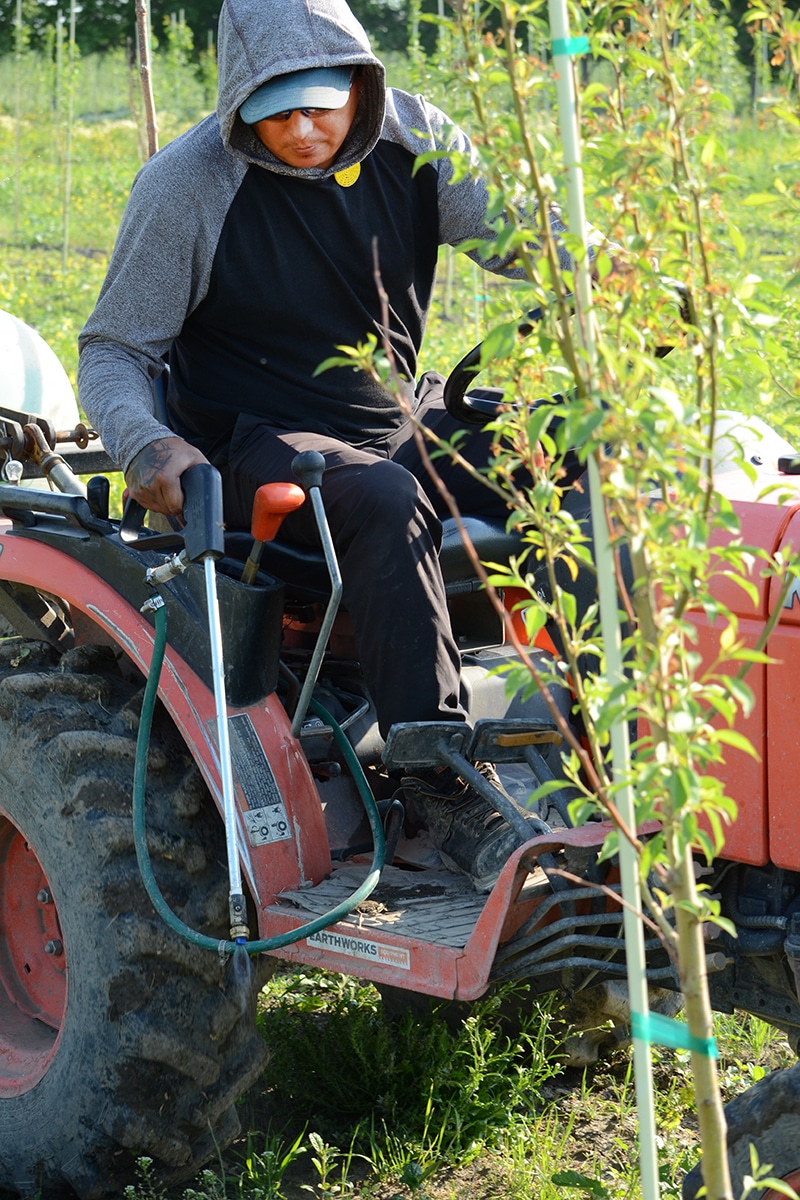
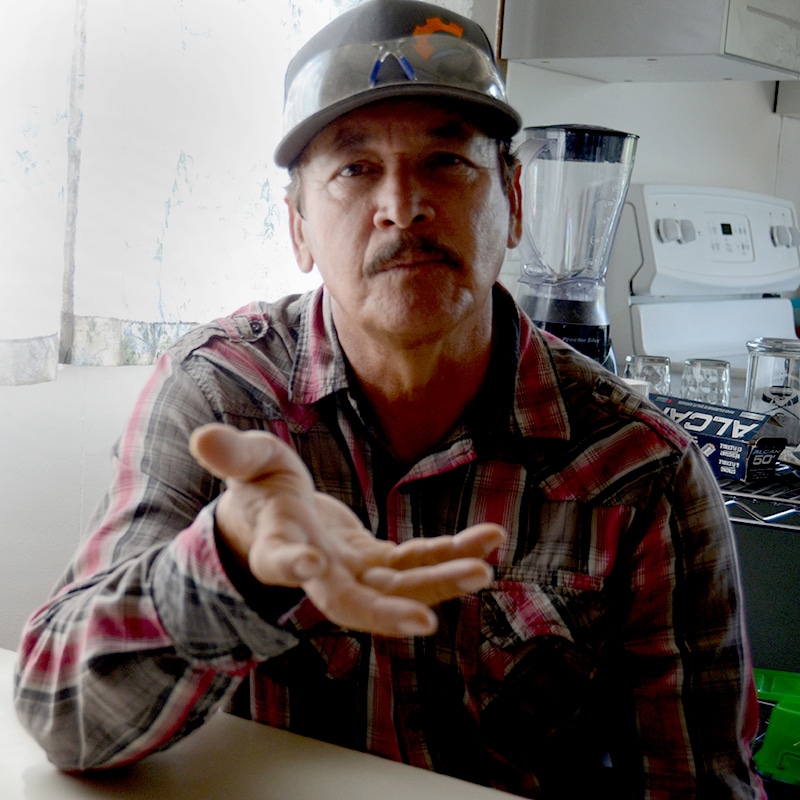
Leonardo Hernandez, 54, from Nayarit, Mexico, finds it hard to be away from his three children, but he calls them daily.
He said the money and working conditions are good.
“Thank you for the work in Canada,” he said.
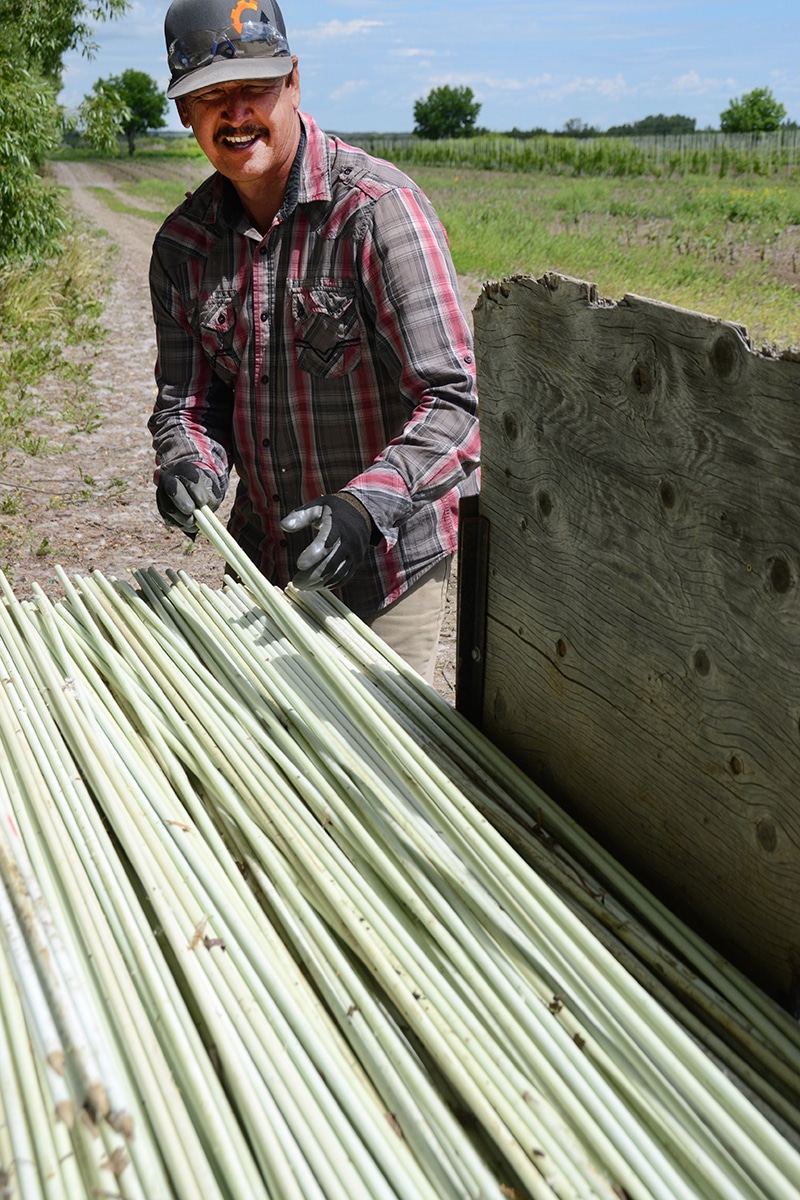
Vic said Mexican workers are motivated to send as much money as possible home to improve their families’ standard of living.
“And it allows us to have a reliable workforce.”
Related:
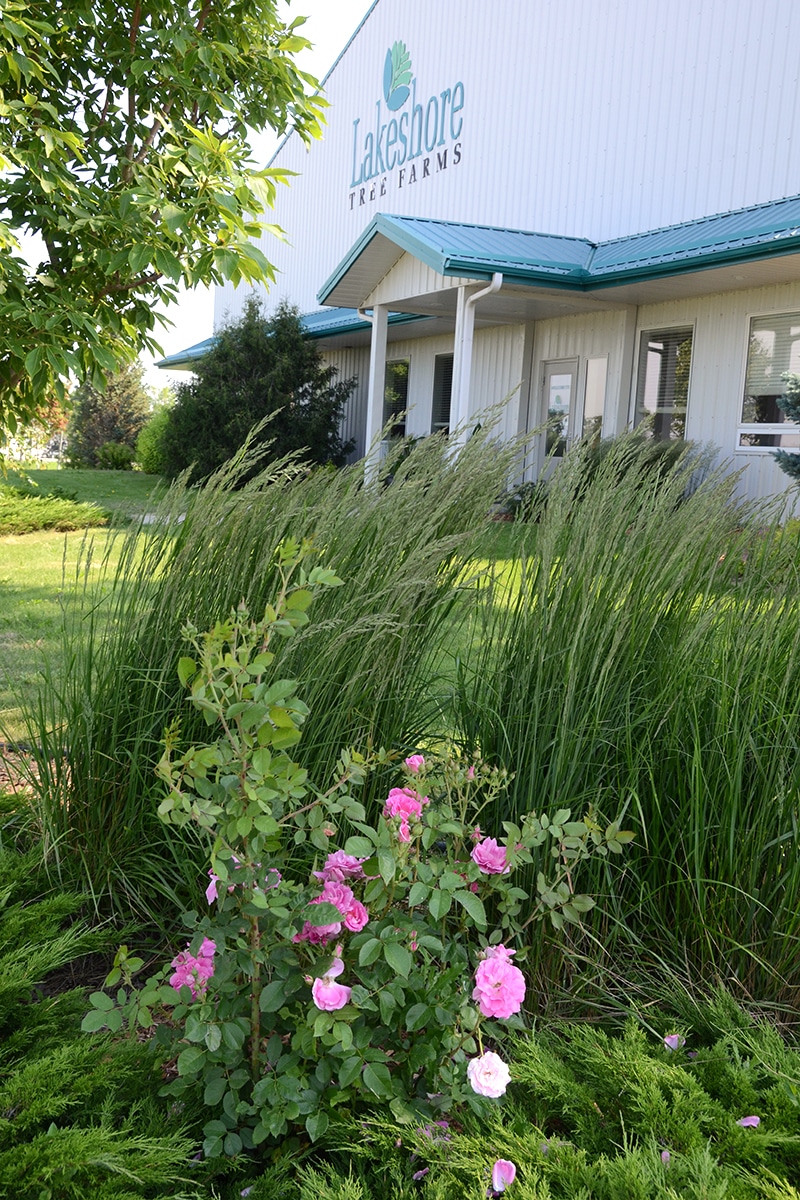
A Saskatchewan tree farm still growing after almost 90 years in business
Although Vic Krahn is a co-owner of Lakeshore Tree Farms, a 250-acre tree nursery operation southwest of Saskatoon, he initially wanted nothing to do with growing trees.
“I wanted to be a park ranger,” he said.
His family’s tree farm was started in 1936, during the Great Depression, by Vic’s grandfather J.M. Dyck.
Our Prairie stories matter too.
The Flatlander takes a closer look at the stories that unite us, and make us unique, in Saskatchewan and Manitoba.
Will you help us tell our stories?
Author