Saskatchewan irrigation efficiency program: helping farmers save water
Through the SIEP, farmers can apply for a rebate to help cover the costs of upgrading their irrigation systems. The program focuses on replacing older, less efficient methods with low-pressure, high-efficiency irrigation systems.
In Saskatchewan’s dry prairie landscape, water is a precious resource.
The province has introduced the Saskatchewan Irrigation Efficiency Program (SIEP) to help farmers maximize this resource. This program supports farmers’ switching to advanced irrigation systems, such as drip irrigation, which uses less water and energy while improving crop health.
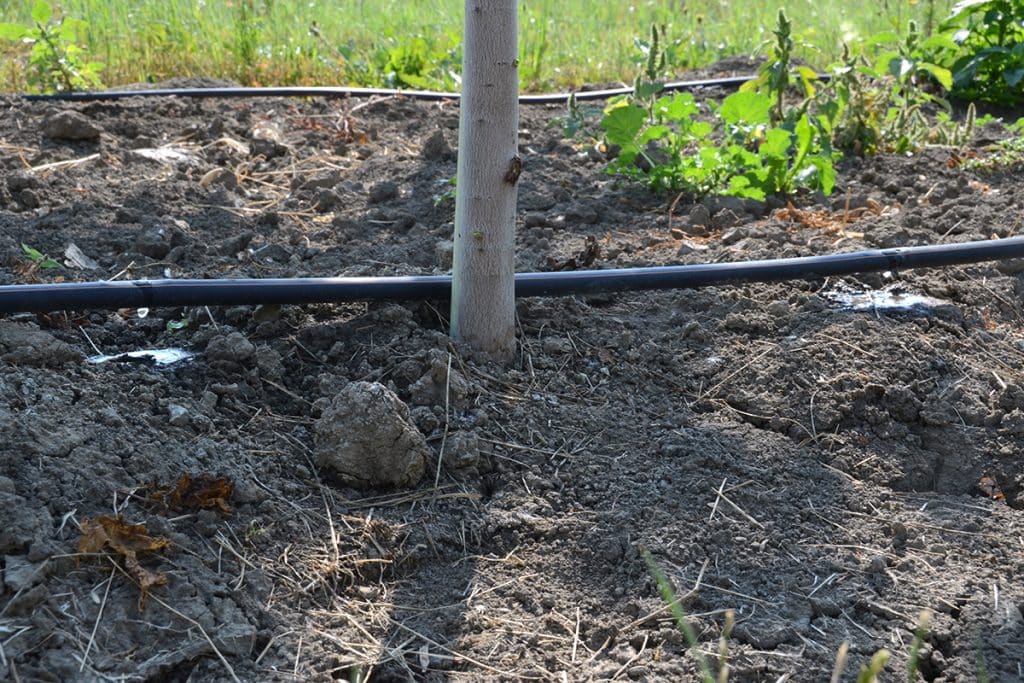
Drip irrigation, also called trickle irrigation, is a system that delivers water directly to the roots of plants through small devices called emitters.
Instead of soaking the entire field, water is applied slowly and precisely, targeting only the plants.
This method minimizes waste, saves energy, and creates the perfect growing environment. Drip irrigation systems, with features like fertilizer injectors, soil moisture monitors, and automatic timers, are efficient, highly customizable, and even reduce weed growth.
Local, independent, in-depth.
Our Prairie stories.
Helping Farmers Transition to Efficiency
Through the SIEP, farmers can apply for a rebate to help cover the costs of upgrading their irrigation systems. The program focuses on replacing older, less efficient methods with low-pressure, high-efficiency irrigation systems.
Eligible farmers can receive up to 30 percent of their project costs, with a maximum rebate of $50,000 over the five-year program term.
The program, which runs until March 31, 2028, is part of the Sustainable Canadian Agricultural Partnership, a national initiative to promote sustainability in farming.
Related:
At Lakeshore Tree Farms, sustainability practices double production
From reusing pots and cardboard to precision applications of herbicides, fertilizers, and pest control treatments, the family-owned tree nursery, 25 km southwest of Saskatoon, embraces farming methods prioritizing efficiency and environmental sustainability.
Farmers must complete their irrigation upgrades and have the systems fully operational before they can claim the rebate. This ensures that the funding supports real, functional improvements. The minimum rebate farmers can receive is $250, making the program accessible to projects of all sizes.
Why Drip Irrigation Works
The advantages of drip irrigation include using lower volumes of water, meaning farmers can grow crops even in areas with limited water supplies.
Targeting only the plant’s root zones reduces water loss, minimizes weed growth, and lowers the risk of soil erosion.
Farmers also save energy because water needs to be pumped at lower pressures.
Drip irrigation is also good for the environment.
The slow application of water keeps the soil’s air and moisture levels stable, creating ideal conditions for plants without stressing them.
Diseases that spread through water on leaves are also reduced since the water is applied directly to the roots.
For busy farmers, automation features like timers and moisture sensors make irrigation almost hands-free.
Challenges to Overcome
While there are many benefits, drip irrigation does come with some challenges.
The initial cost of installing the system can be high, and farmers need to monitor soil moisture carefully to avoid crop stress.
Equipment like filters and water treatment systems are crucial to prevent clogging, which can occur from soil, algae, or hard water deposits.
However, programs like SIEP help offset these costs, making it easier for farmers to adopt this technology.
Farmers interested in the program can find more information and apply online at the Saskatchewan Ministry of Agriculture’s website.
Manitoba also offers funding to switch to drip irrigation under the Sustainable Agriculture Manitoba (SAM) program, however the program is currently closed. You can check back here for future funding opportunities.
Our Prairie stories matter too.
The Flatlander takes a closer look at the stories that unite us, and make us unique, in Saskatchewan and Manitoba.
Will you help us tell our stories?
Author