Succession planning ensures the future of a multigenerational farm
Succession planning is more than just a business practice—it’s an investment in stability and continuity.
Southwest of Saskatoon, Lakeshore Tree Farms thrives as a multi-generational family operation. With deep roots in sustainability, the farm is committed to succession planning, a principle that ensures business longevity and stability.
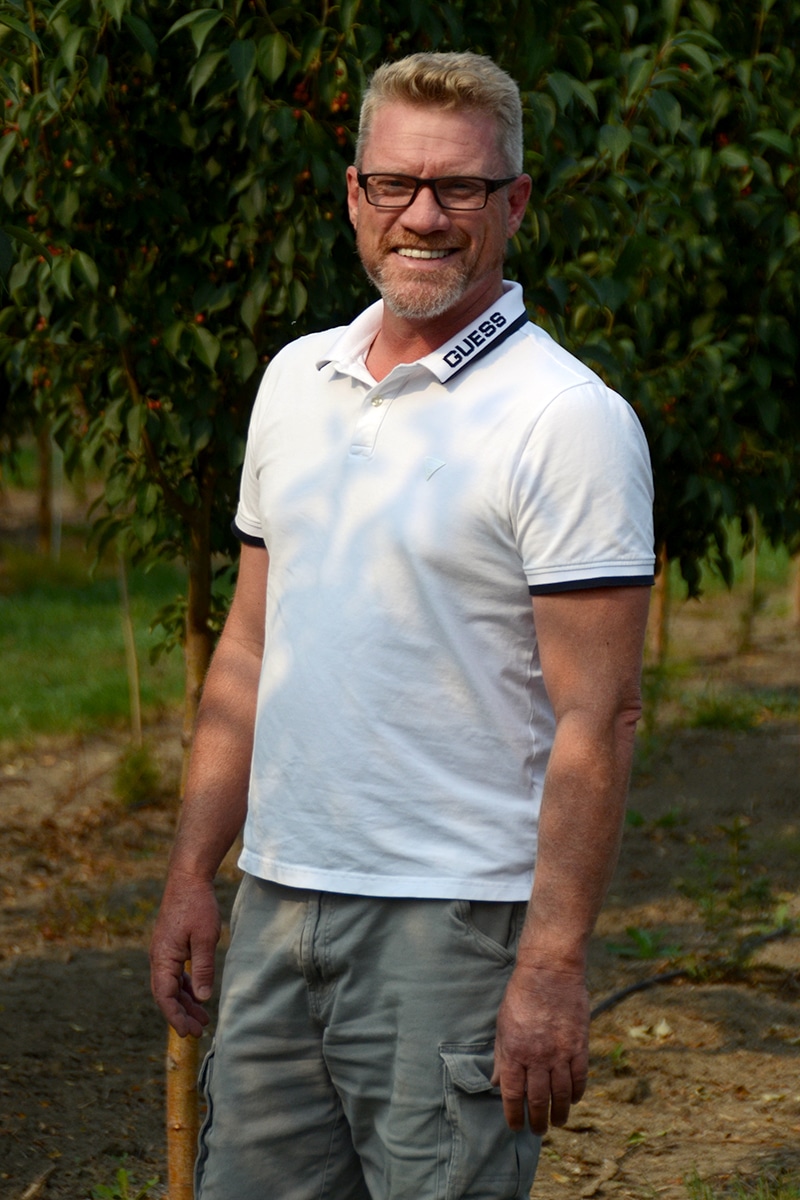
“I see my role as a steward of a product and service in a very remote part of the world,” said Aaron Krahn, who co-owns the farm with his parents. “My 250 acres support 25 families. That’s the number one thing.”
Looking to the Future
Aaron’s parents, Vic and Lee Krahn, understand the importance of formalizing the leadership transition.
Local, independent, in-depth.
Our Prairie stories.
Together with Vic’s brothers, they took over the family business from their father, George Krahn, years ago. George joined the business after his father, J.M. Dyck, started the farm. Handing off their business has never been left to chance.
Together with Vic’s brothers, they assumed responsibility for the family business, originally established by their father, George Krahn, after he joined the operation founded by his father, J.M. Dyck.
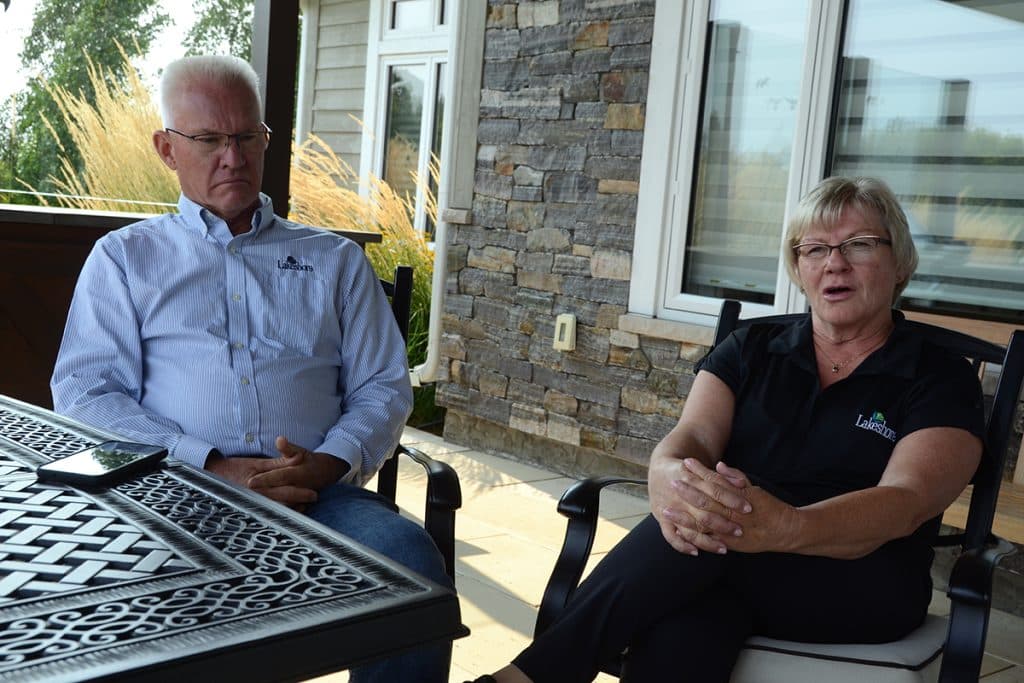
For the Krahns, succession planning has always been a deliberate and carefully planned process.
“It took two years of talking before we started the formal process,” Vic recalled. “The minute we knew of the succession of my brothers, I had chosen a successor. It was written into the corporate documents that Aaron was the successor.”
“Nothing was a verbal thing, so someone could interpret it differently,” says Lee. This structure ensured clarity, preventing misunderstandings and solidifying trust.
If succession planning isn’t formal, uninvolved siblings could be entitled to the same shares as the siblings who have been active in the business if something unexpected happens.
Why Succession Planning Matters
Succession planning is more than just a business practice—it’s an investment in stability and continuity.
Experts point to the challenges family-run businesses face when transitions are poorly managed: disputes, financial woes, and even the collapse of the enterprise itself.
Aaron advises other business owners to start succession planning early, which Lakeshore did. This allows the person taking over the business time to prepare.
“You just can’t get ready to retire and then say, okay, now we’re ready to do it,” Aaron told Landscape Trades Magazine for an article about succession planning. “You have to be working partners for a while.”
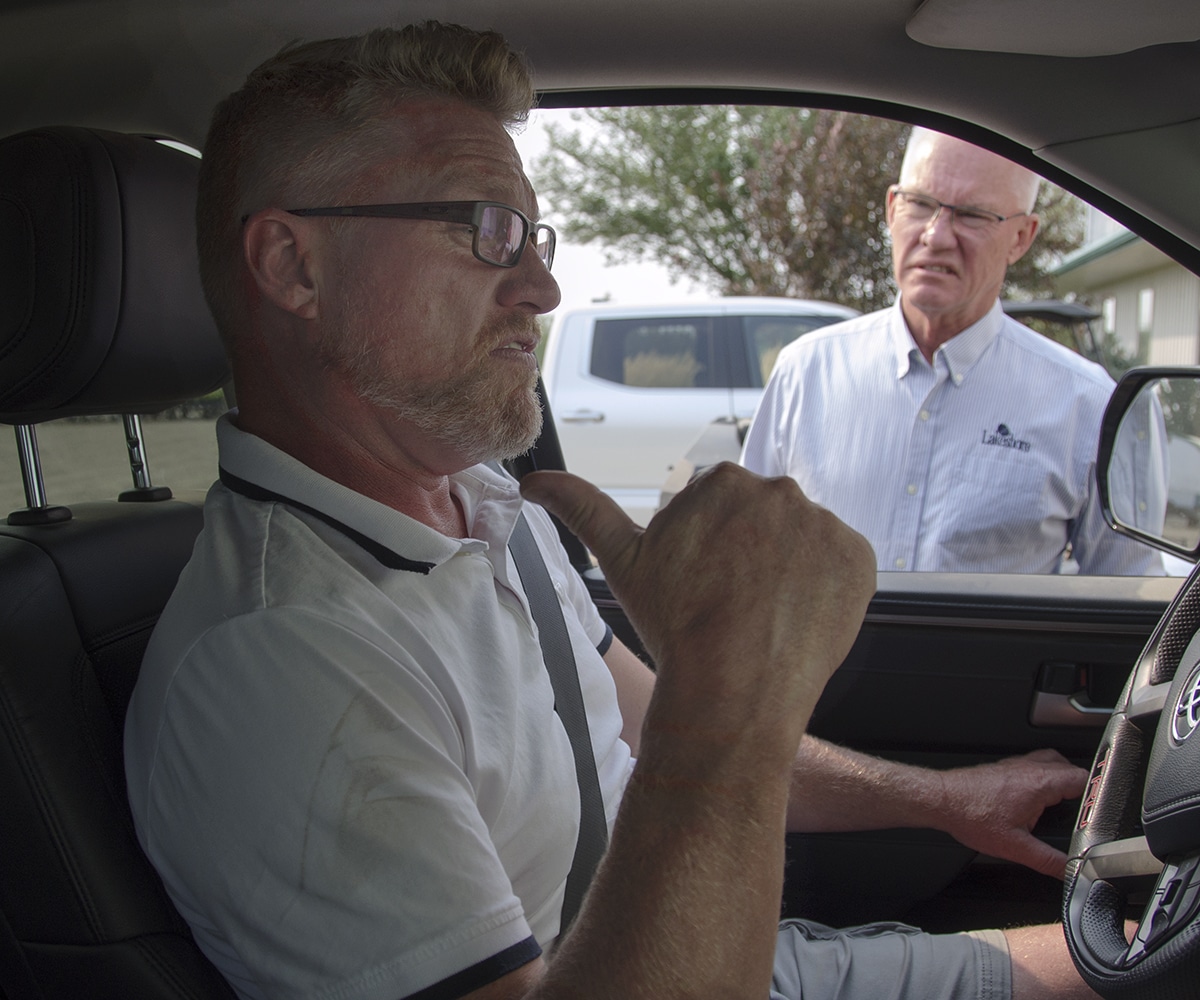
He recommends other siblings in the business be treated fairly.
Vic bought out his brothers in 2009 and distributed shares between himself, Lee, and Aaron.
Aaron said taking the time to do it right made the entire process smooth for everyone involved, as they could all see they were being treated fairly.
This isn’t to say there weren’t challenges. When Aaron became a Lakeshore owner, he was only 30 years old. He became the boss of some older employees, which took some adjusting.
Aaron gained credibility by learning to involve key employees in decisions rather than dictating what he wanted.
The next generation brings new ideas
At Lakeshore Tree Farms, succession planning has ensured that each generation builds on the last, bringing innovation without losing sight of the farm’s mission.
For Aaron, the structured succession approach brought clarity and a sense of purpose.
“The day it was proposed that I join the nursery was the day a promise of succession was made,” he said.
Now, at 47, he is the same age as his dad when Aaron first became co-owner.
“That weighs on me every day,” he said.
Aaron is focused on sustainability and innovation.
The farm loses 1,200 yards of topsoil annually while growing and harvesting trees.
Aaron plans to counteract this by incorporating new technologies to restore and preserve the soil.
“Intensive farming is all about sustainability,” he says. “I plan to put back all of the soil we take out. It’s a sustainability imperative.”
Aaron also envisions allowing the public to bulk purchase online, enabling customers to buy large quantities of shrubs.
“I don’t want to undercut retailers; I think there’s a different market out there,” he said.
The innovation doesn’t stop there.
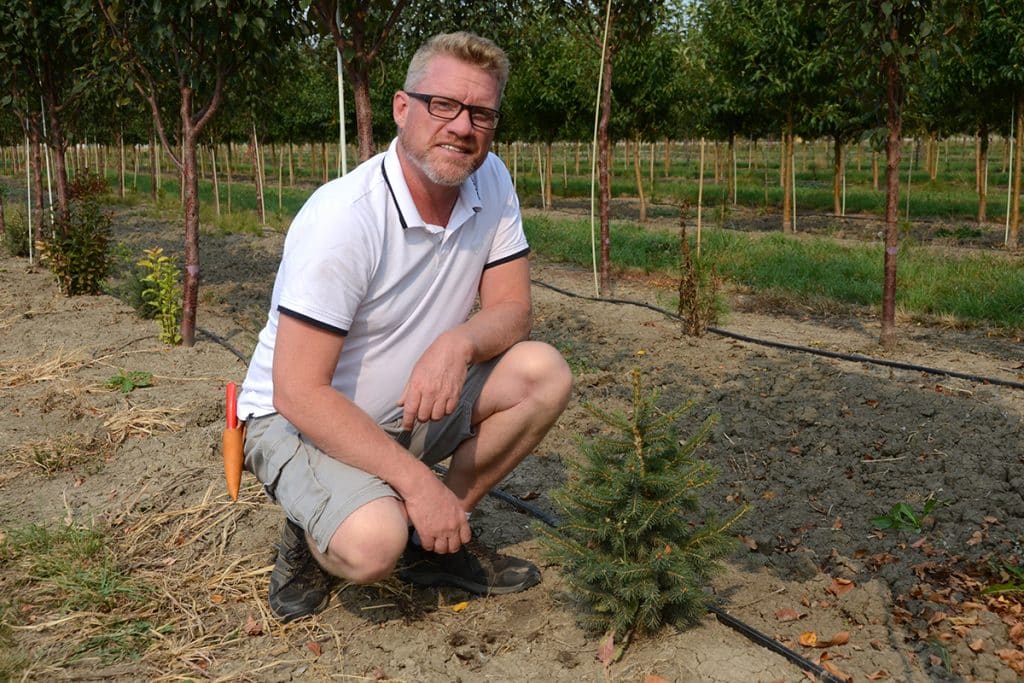
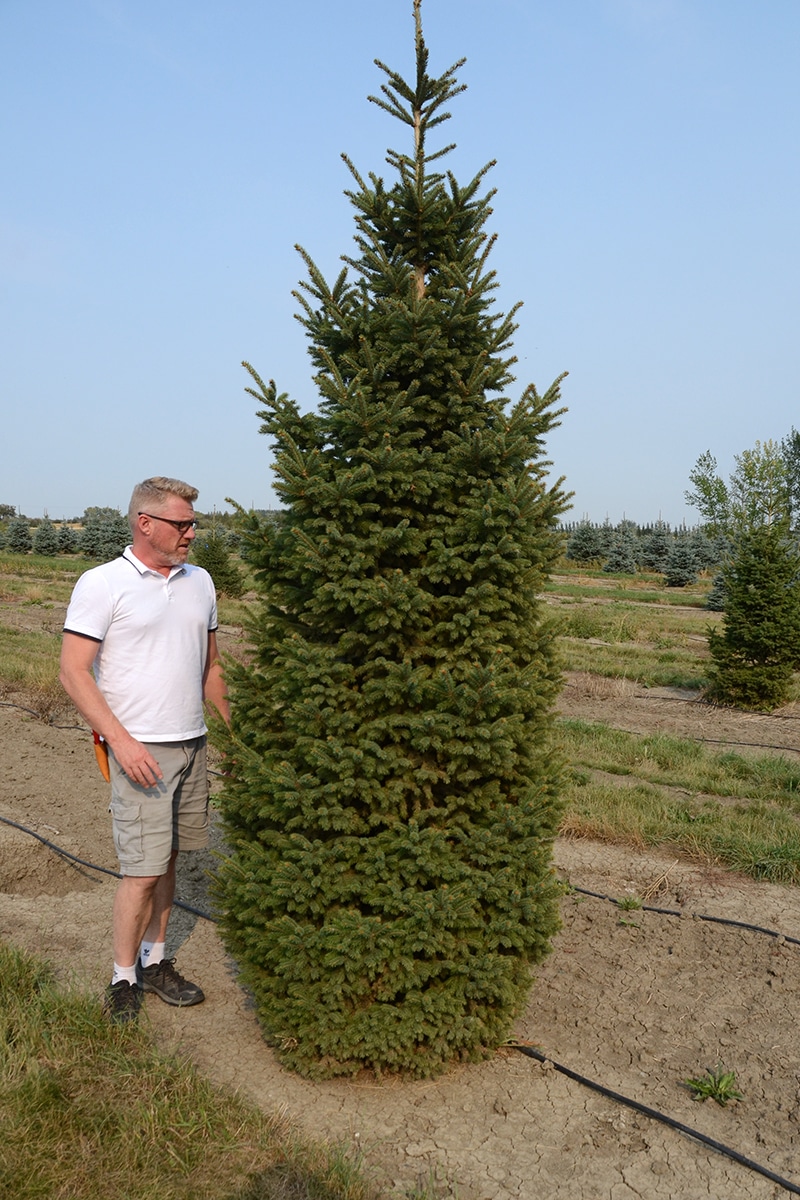
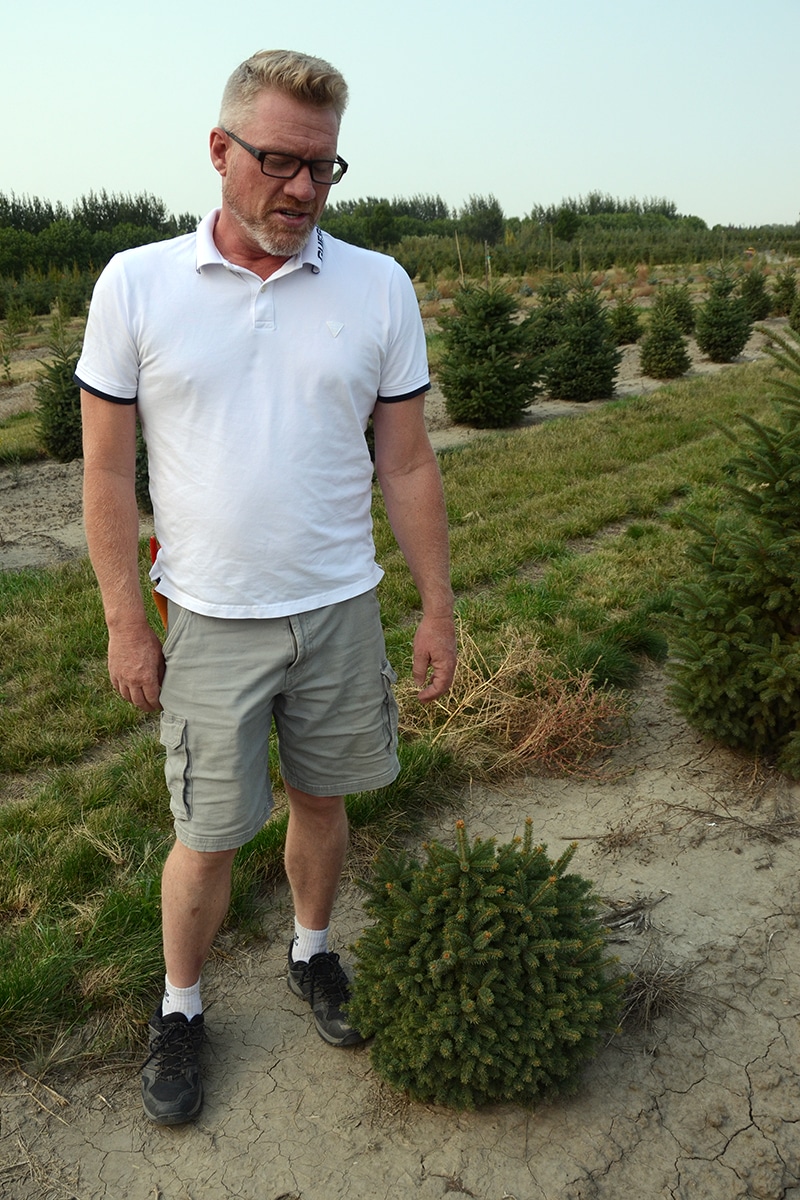
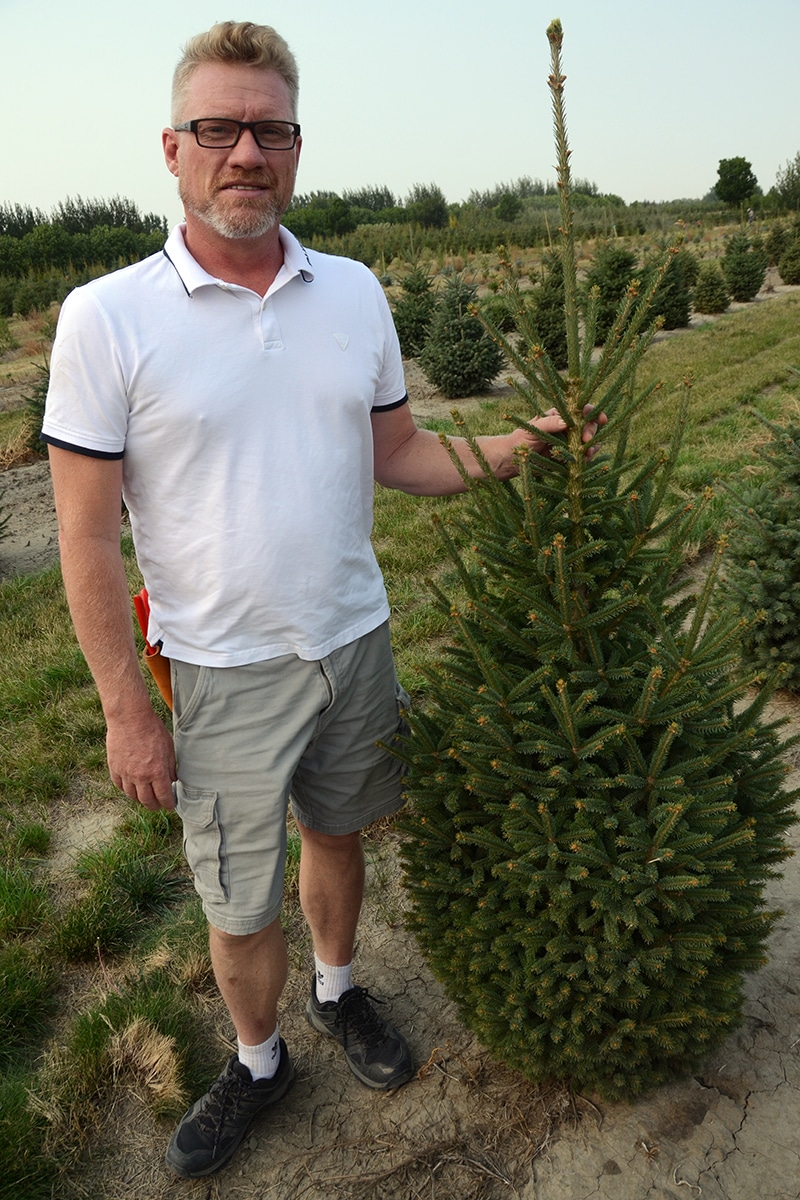
A Black Hills White Spruce on the farm has caught Aaron’s attention with its unique growth pattern. Tall, narrow, and thickly coated, the tree is a genetic mutation that Aaron hopes to clone and sell as a new product.
“If only I could grow 300 of them a year,” he muses. “Maybe in 15 years!”
A Family Legacy
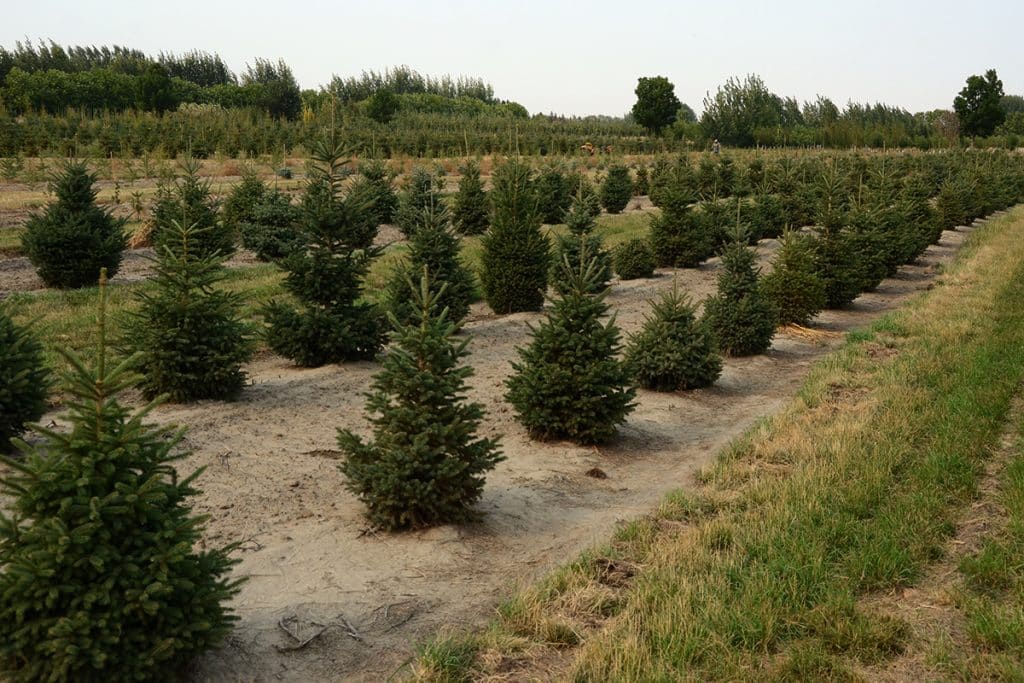
The multi-generational approach at Lakeshore Tree Farms underscores its broader impact.
Aaron believes that the knowledge accrued through decades of farming informs not only his family’s practices but also sustainable urban development.
“It’s important to me that cities do the right thing and the right kind of planting,” said Aaron. “Without us having multi-generational experience . . . these towns and cities would flounder.”
Vic, who remains actively involved in the business, finds reassurance in Aaron’s vision.
“Every day, you see more competence going in, so you don’t feel any anxiety going out,” Vic said. “My dad was 84 when he died, and he was quasi-active into his 70s. I would hope that I can do that for a long time.”
For the Krahns, succession planning is not just a strategy but a testament to the enduring strength of family and community.
Aaron wants his own children to return to him, having made it on their own, with their own trade and something new.
Related:
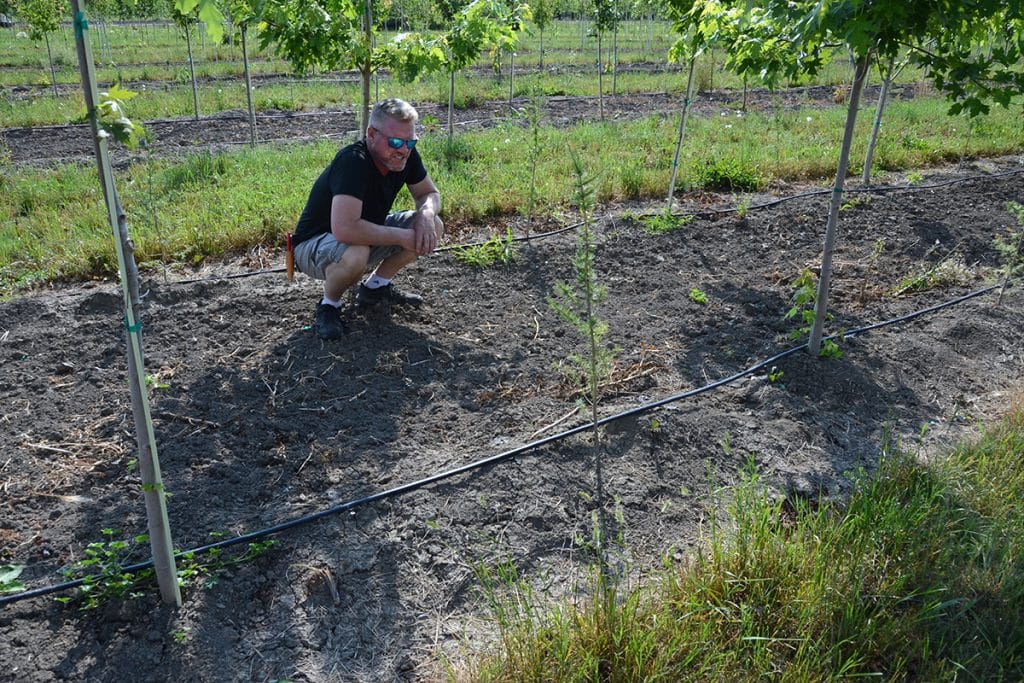
A Saskatchewan tree farm still growing after almost 90 years in business
Lakeshore Tree Farms southwest of Saskatoon, which was started in 1936, during the Great Depression, is still going strong. Read more.
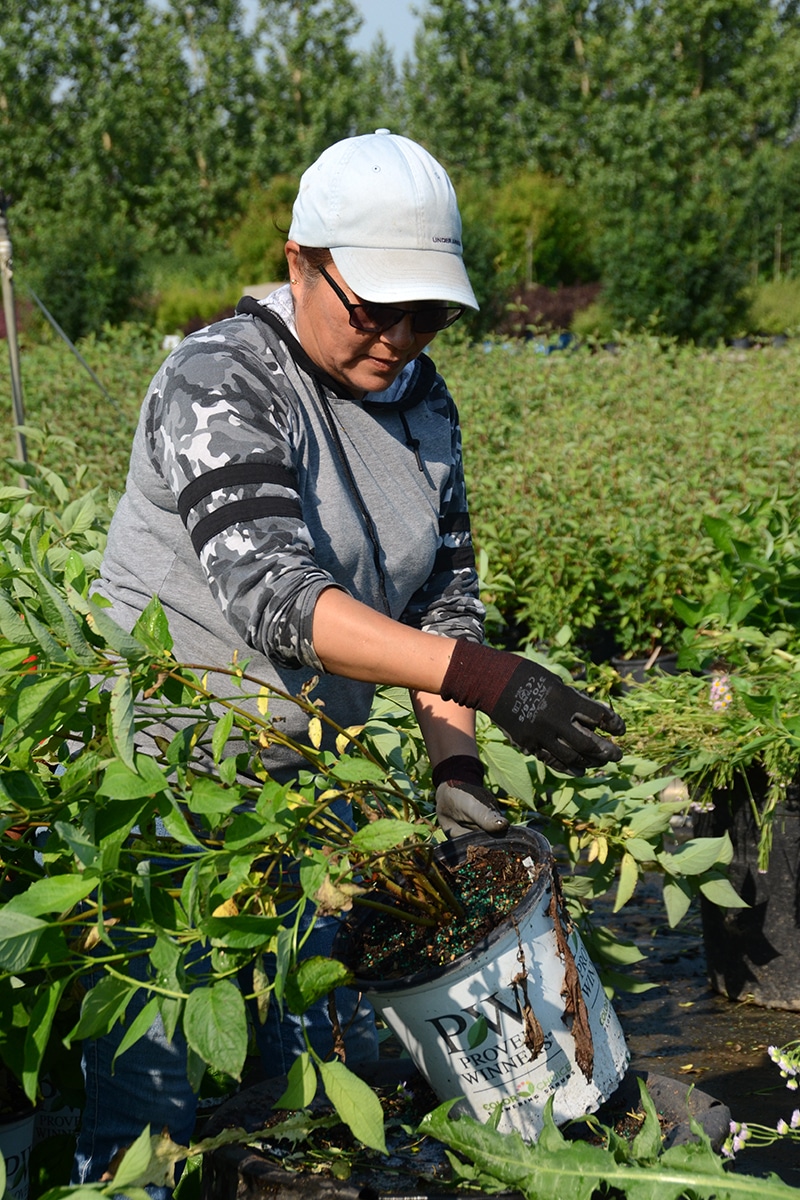
No local labourers, commercial agriculture operator relies on foreign temporary workers
“My industry still takes just as much labour as farming in the 1900s did,” said Aaron Krahn, one of three co-owners at Lakeshore Tree Farms. “It’s all done by hand. It’s the nature of the work.
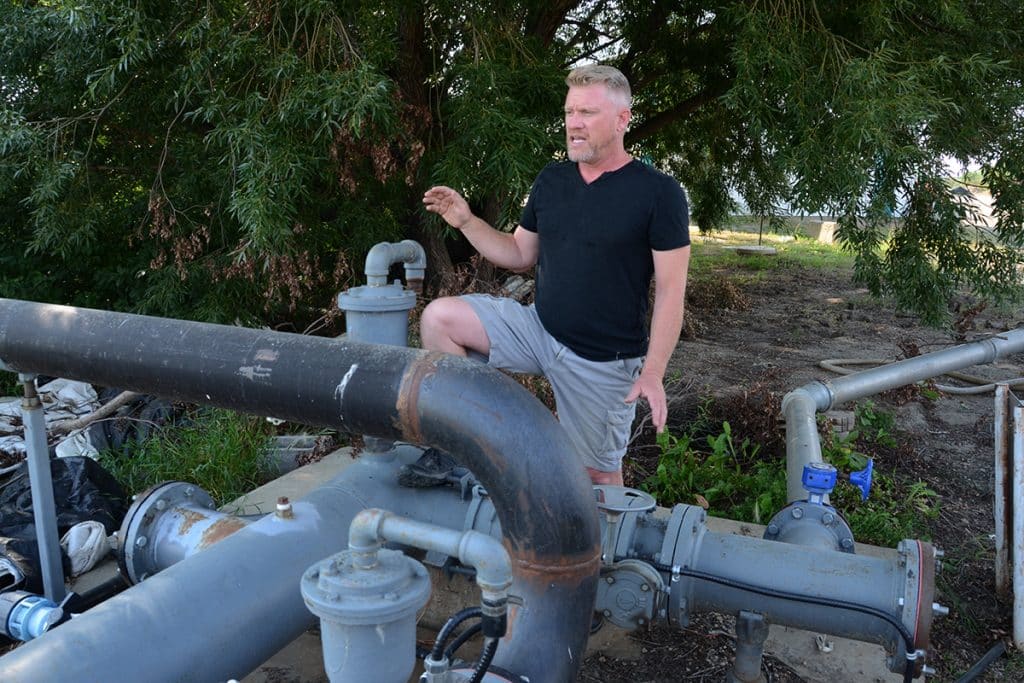
At Lakeshore Tree Farms, sustainability practices double production
From reusing pots and cardboard to precision applications of herbicides, fertilizers, and pest control treatments, the family-owned tree nursery, 25 km southwest of Saskatoon, embraces farming methods prioritizing efficiency and environmental sustainability.
Our Prairie stories matter too.
The Flatlander takes a closer look at the stories that unite us, and make us unique, in Saskatchewan and Manitoba.
Will you help us tell our stories?
Author